


Hoya de Álvarez Crater
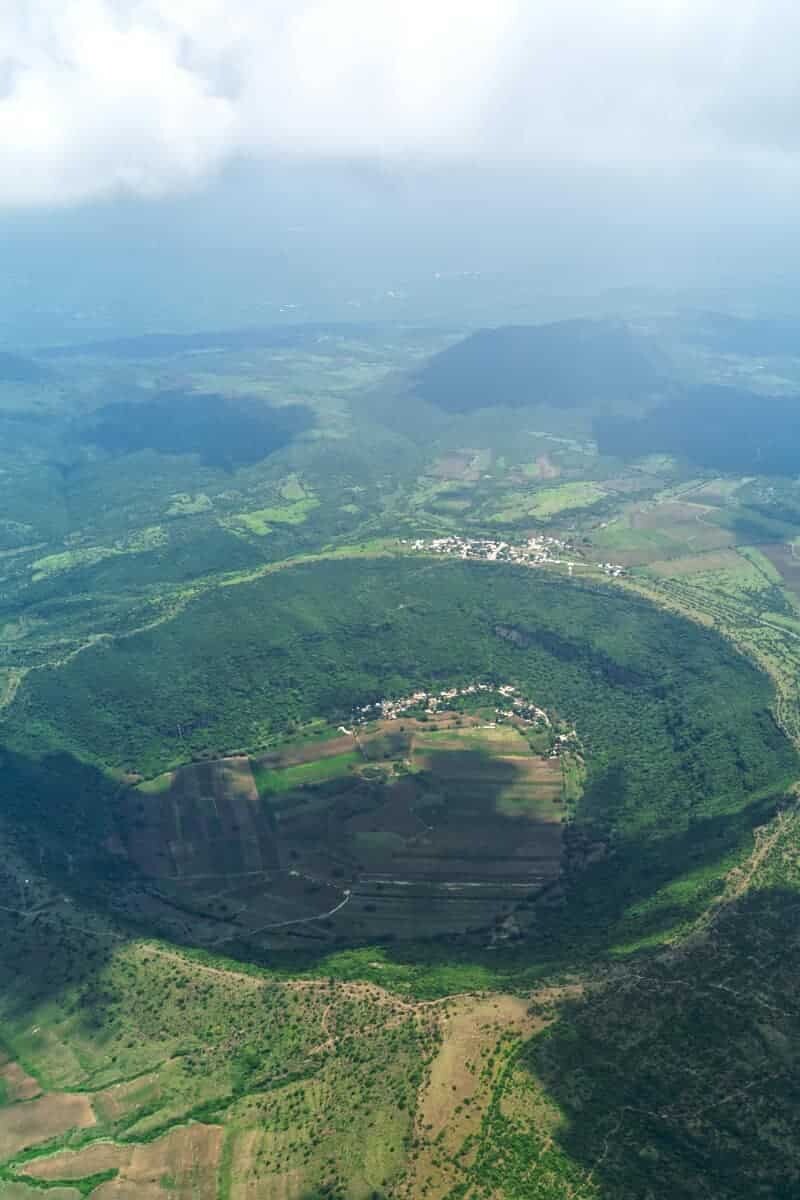
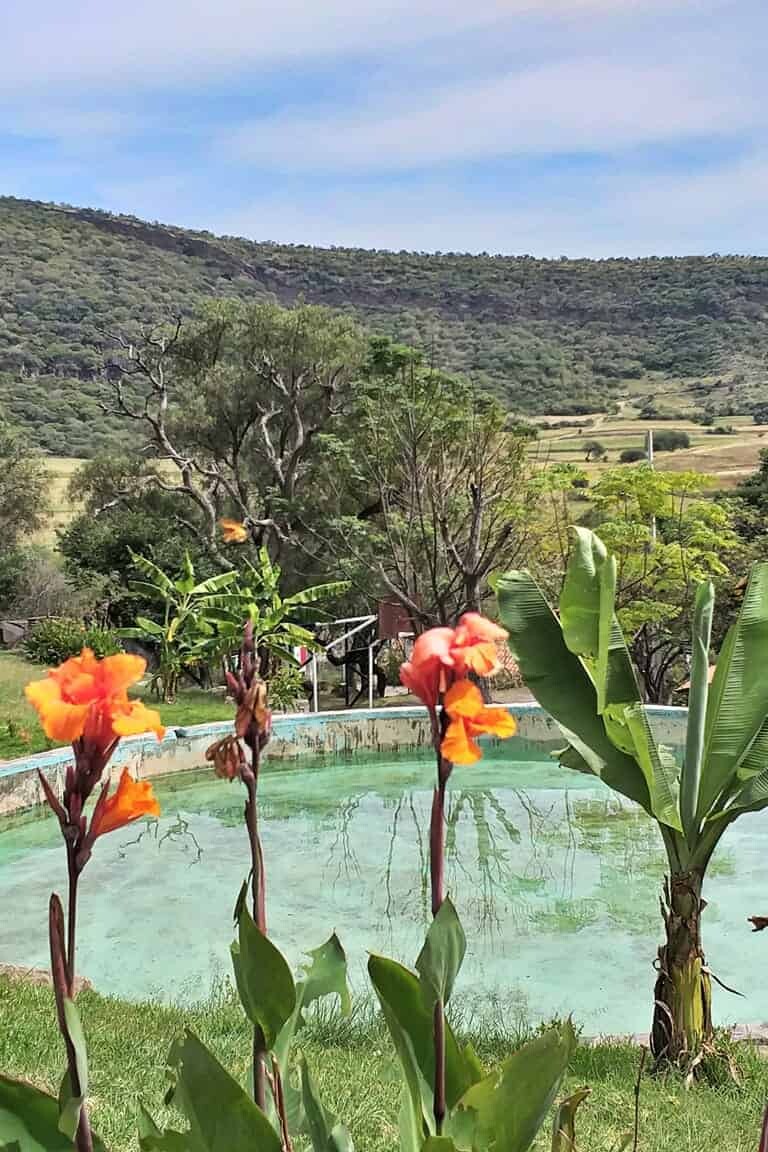
One of the main attractions of Valle de Santiago is the impressive Hoya de Álvarez Crater, also known as Hoya de Flores. This crater is full of life during the summer, when the multicolored flora covers its interior, creating an impressive natural spectacle. It also has springs that emerge from its cliffs, providing a fresh and revitalizing environment.
In the community of Hoya de Álvarez, you will find a recreation area managed by the local inhabitants. This space includes three pools supplied by spring water, palapas with barbecue grills, a camping area, basketball court and restrooms. In addition, you can enjoy ecotourism and adventure tourism packages offered by certified tour operators, which include delicious food prepared by traditional cooks of the region.
Rincón de Parangueo Crater
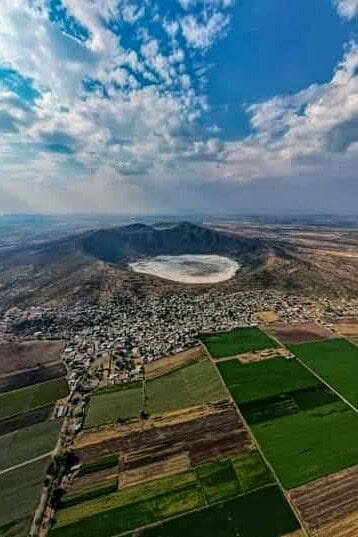
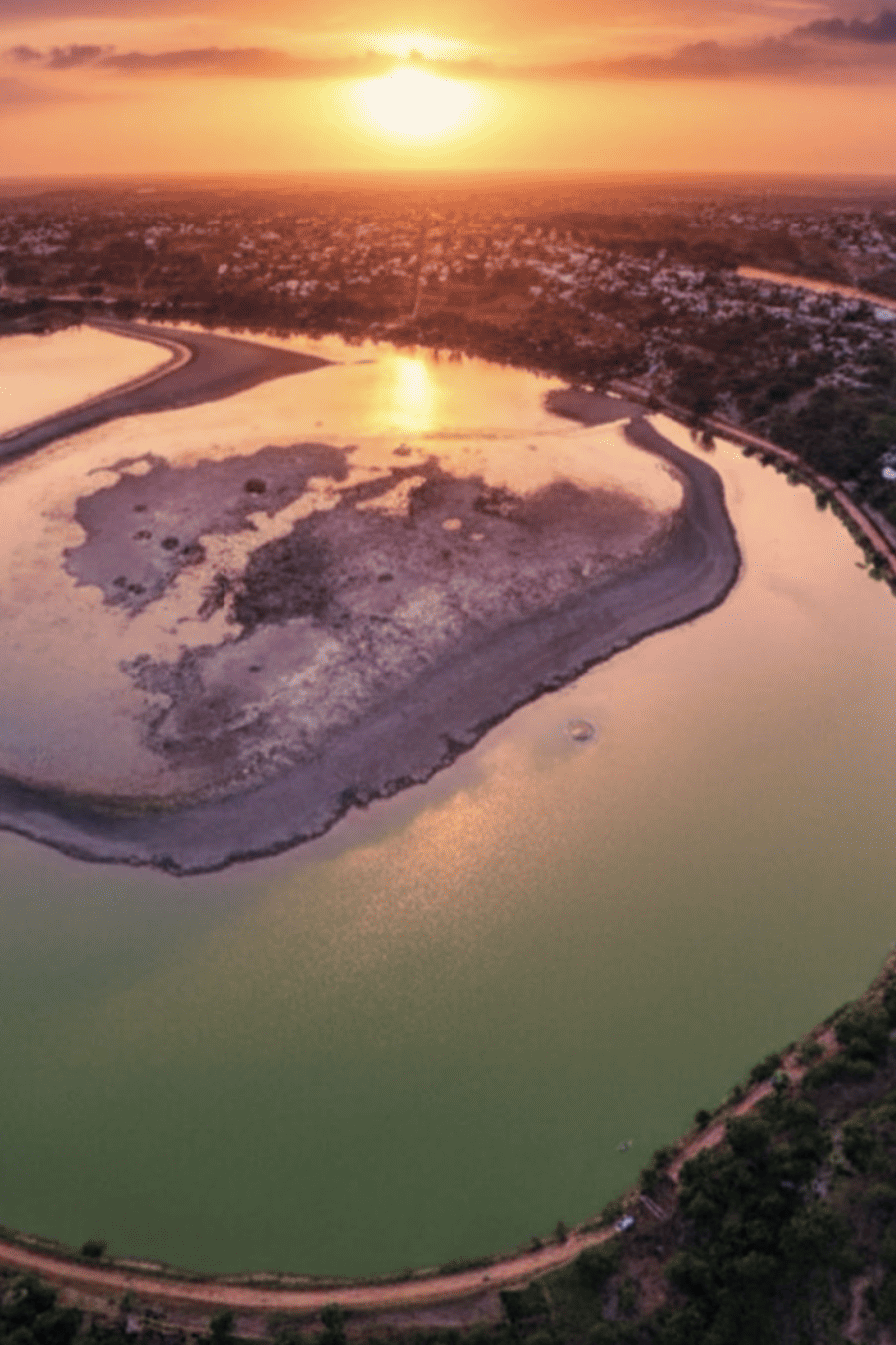
Another fascinating crater you can visit is the Rincón de Parangueo. Its access is an adventure in itself: to reach the interior, you must go through a tunnel of approximately 400 meters, which promises a unique experience full of emotions. Once inside, a lake of salty water awaits you, offering a sense of tranquility and breathtaking scenery.
In this crater, you can also enjoy horseback riding guided by local horsemen, as well as recreational areas with barbecue grills, bathrooms and children's play areas. Also, don't miss the caves with cave paintings that will connect you with the history of the region.
Historic Center of Valle de Santiago
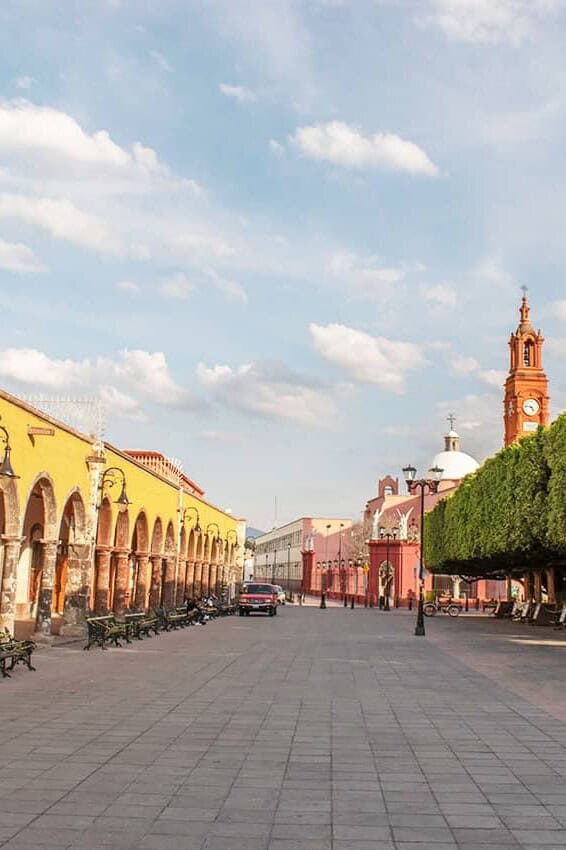
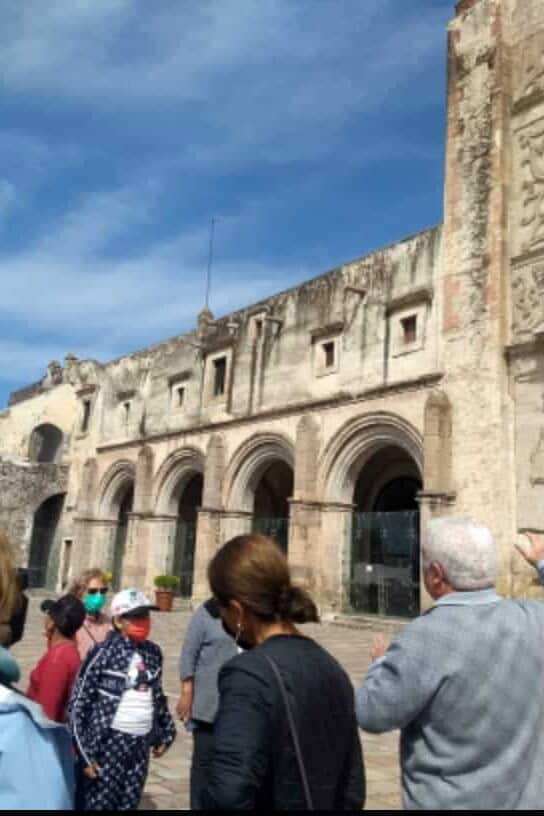
You can't visit Valle de Santiago without exploring its charming historic center. Start at the Jardín Principal, which dates back to the founding of the city in 1607. This garden was renamed Jardín Independencia in 1910, to commemorate the centennial of Mexico's independence.
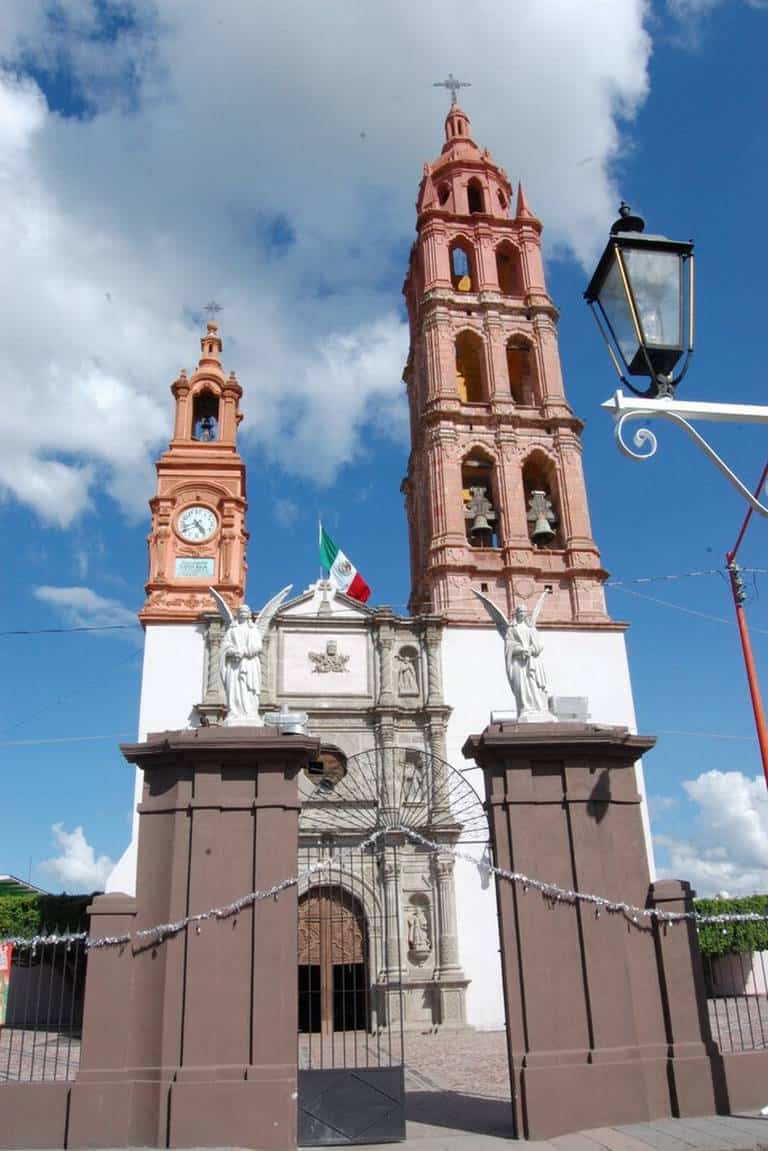
Continue your tour at the Parroquia de Santiago Apóstol, an emblematic baroque style building that began to be built in the 18th century by Augustinian friars. Its two towers are among the tallest in the entire state of Guanajuato, making it a landmark in the urban landscape.
Finally, visit the Alameda or Hidalgo Park, laid out since the founding of the city. This large park, which began to be built in 1888, is one of the largest in the state and is home to tall trees, such as Indian laurel, sabinos and jacarandas, which were planted during its construction.
Get inspired by
01.
Gallery


02.
Our Recommendations...
03.
Must-Do Experiences...
04.
Local Flavors
04.
Tourist Services.


06.
Our Neighborhoods...







05.
Locate us on the map...
User Content
Multimedia Gallery


Photo Disclaimer
The images shown may be sourced from public social media posts related to tourist destinations. All rights remain with their original creators. To request the removal of any content, please click on the following button.