

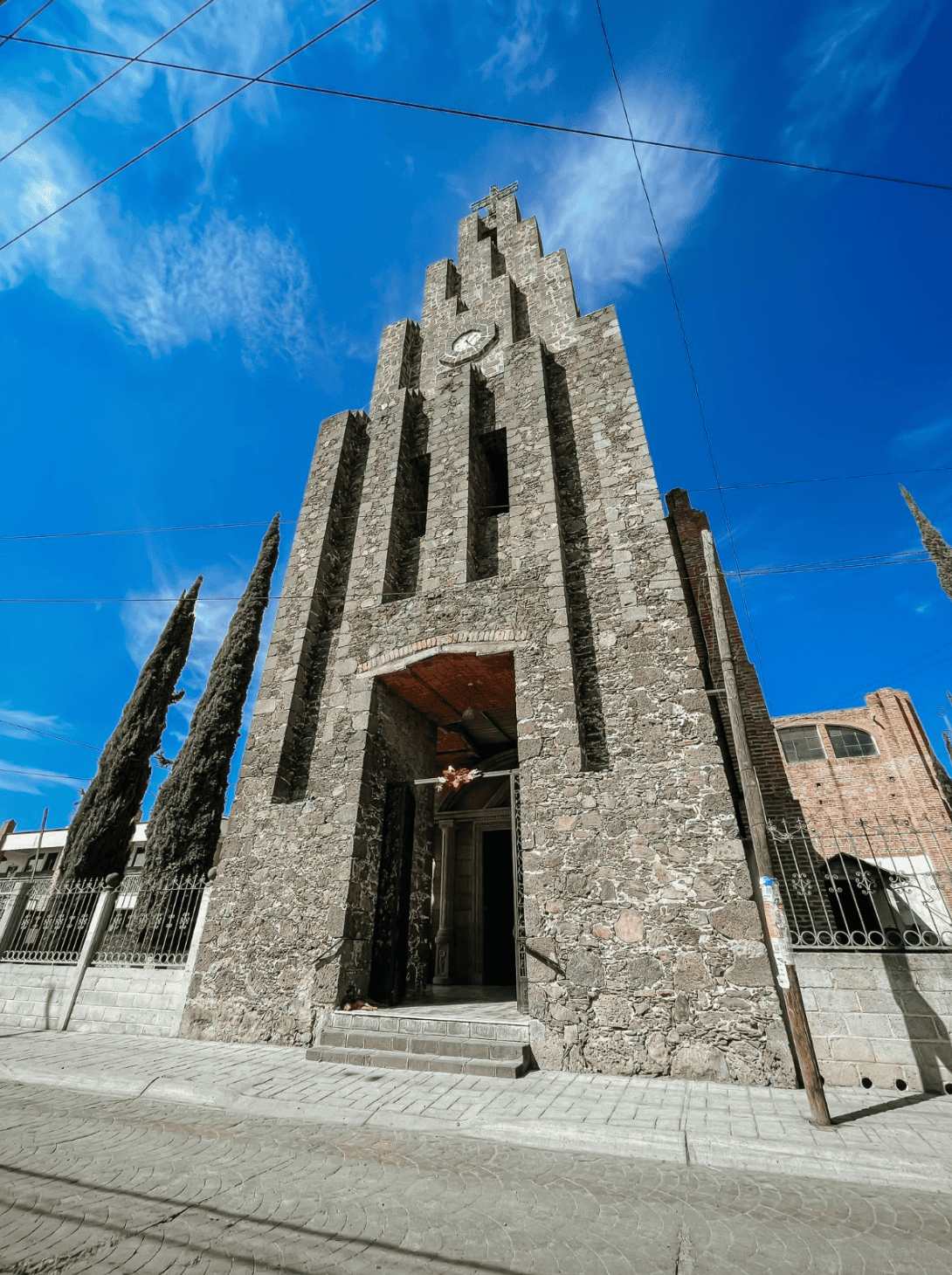
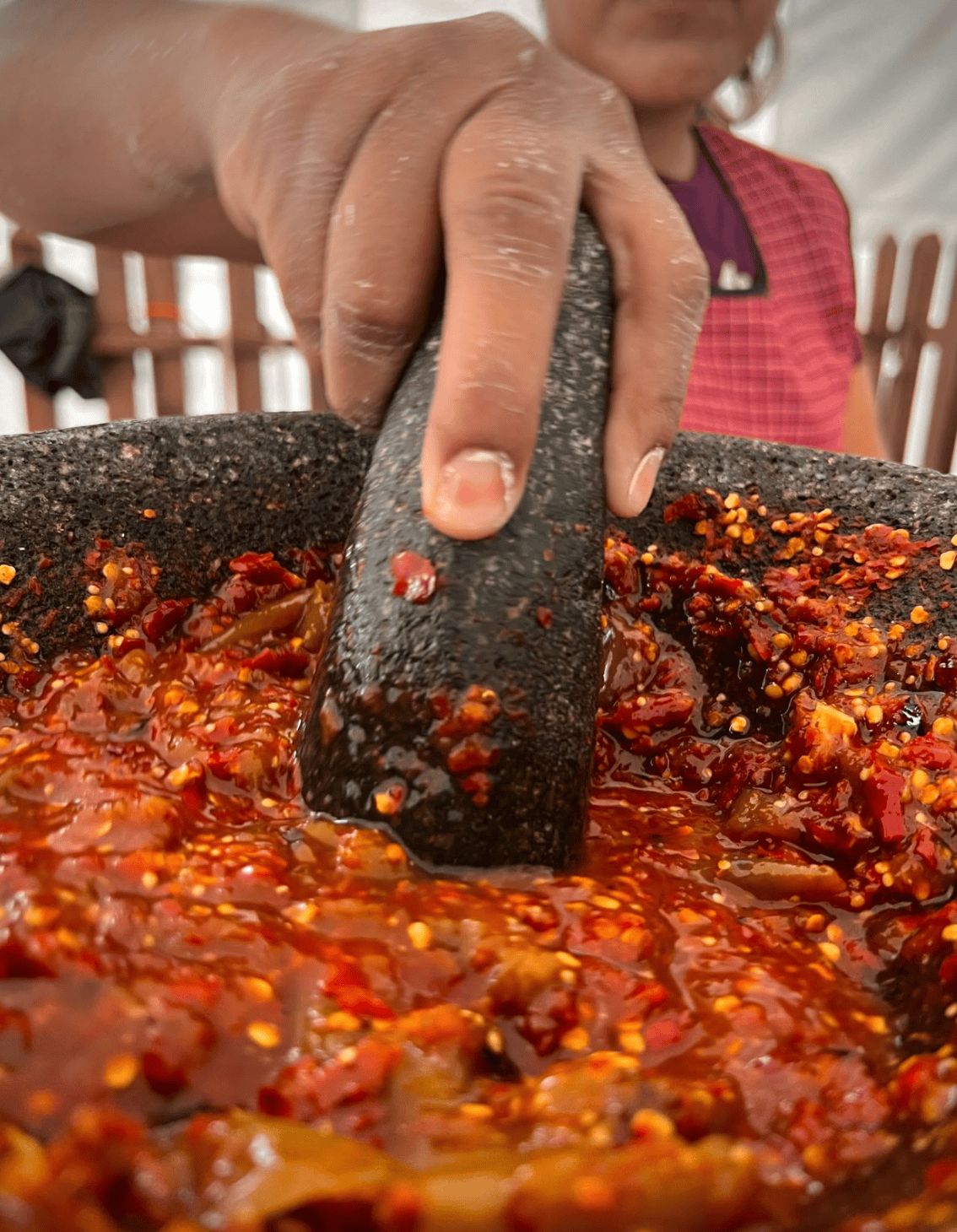
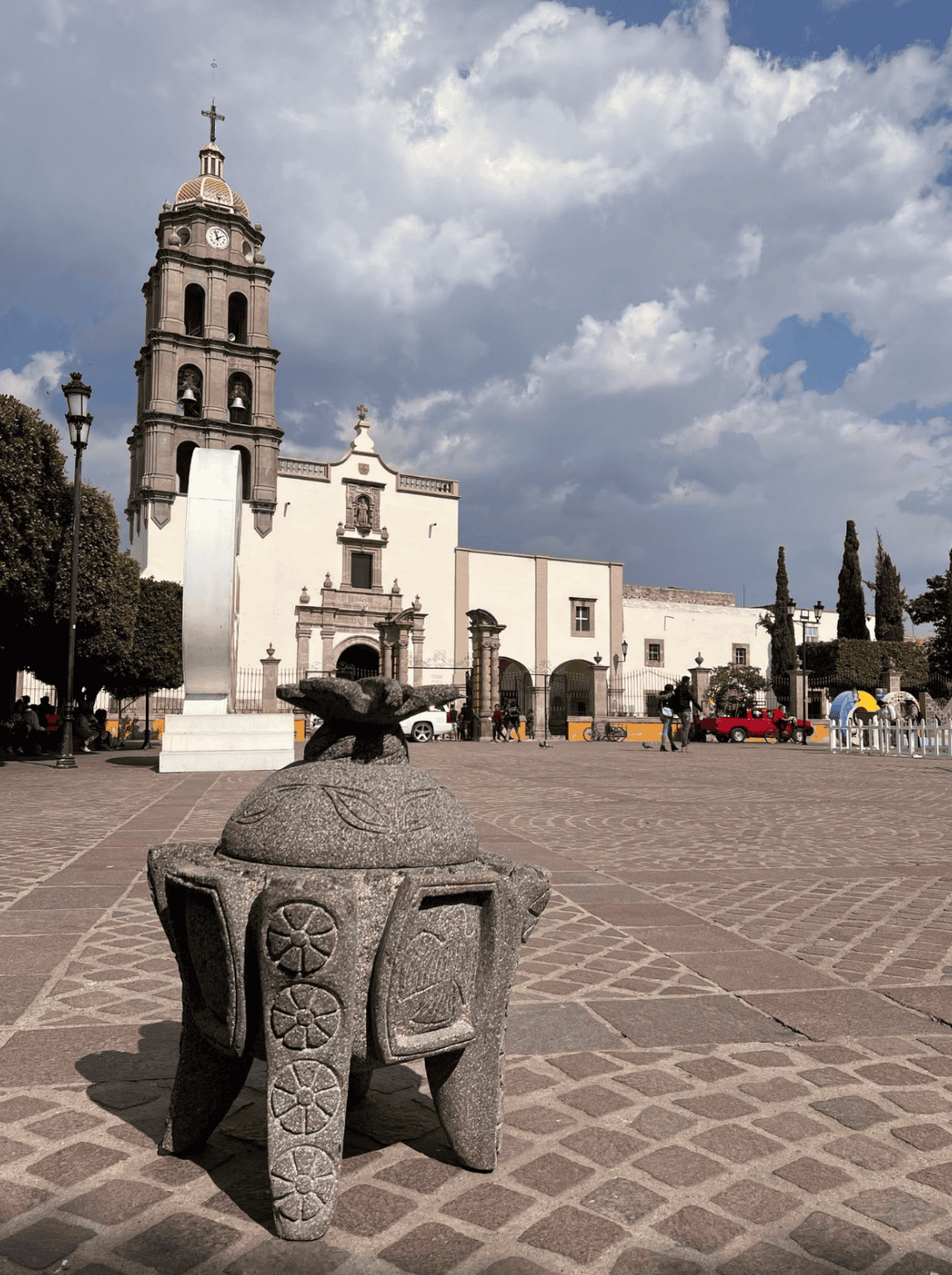
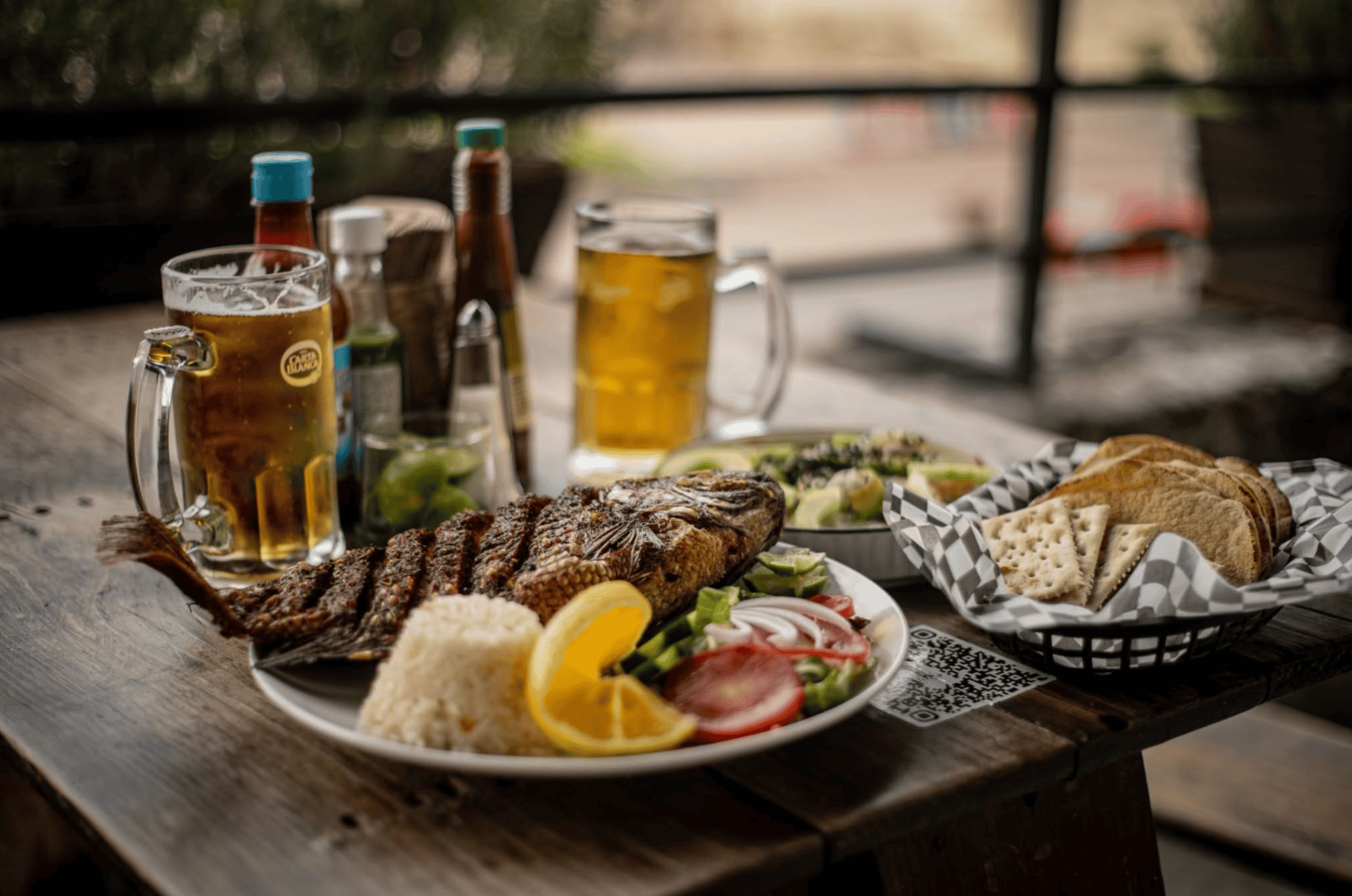
Dolores Hidalgo, Mineral de Pozos, Jalpa de Cánovas, Comonfort, Yuriria and Salvatierra represent the cultural, historical and gastronomic diversity of Guanajuato.
Guanajuato celebrated the wealth of its six Magical Towns: Dolores Hidalgo: Cradle of National Independence, Mineral de Pozos, Jalpa de Cánovas, Comonfort, Yuriria and Salvatierra; communities where the history, traditions, flavors, and knowledge of their people are an essential part of the tourist experience.
From the Government of the People, through the Secretariat of Tourism and Identity (SECTURI), a vision of tourism is promoted that recognizes communities as protagonists, highlighting what makes each destination unique and strengthening the opportunities for those involved in the tourism industry.
The six Magical Towns of Guanajuato are a showcase of the diversity that exists in the state and of how each region tells a different story.
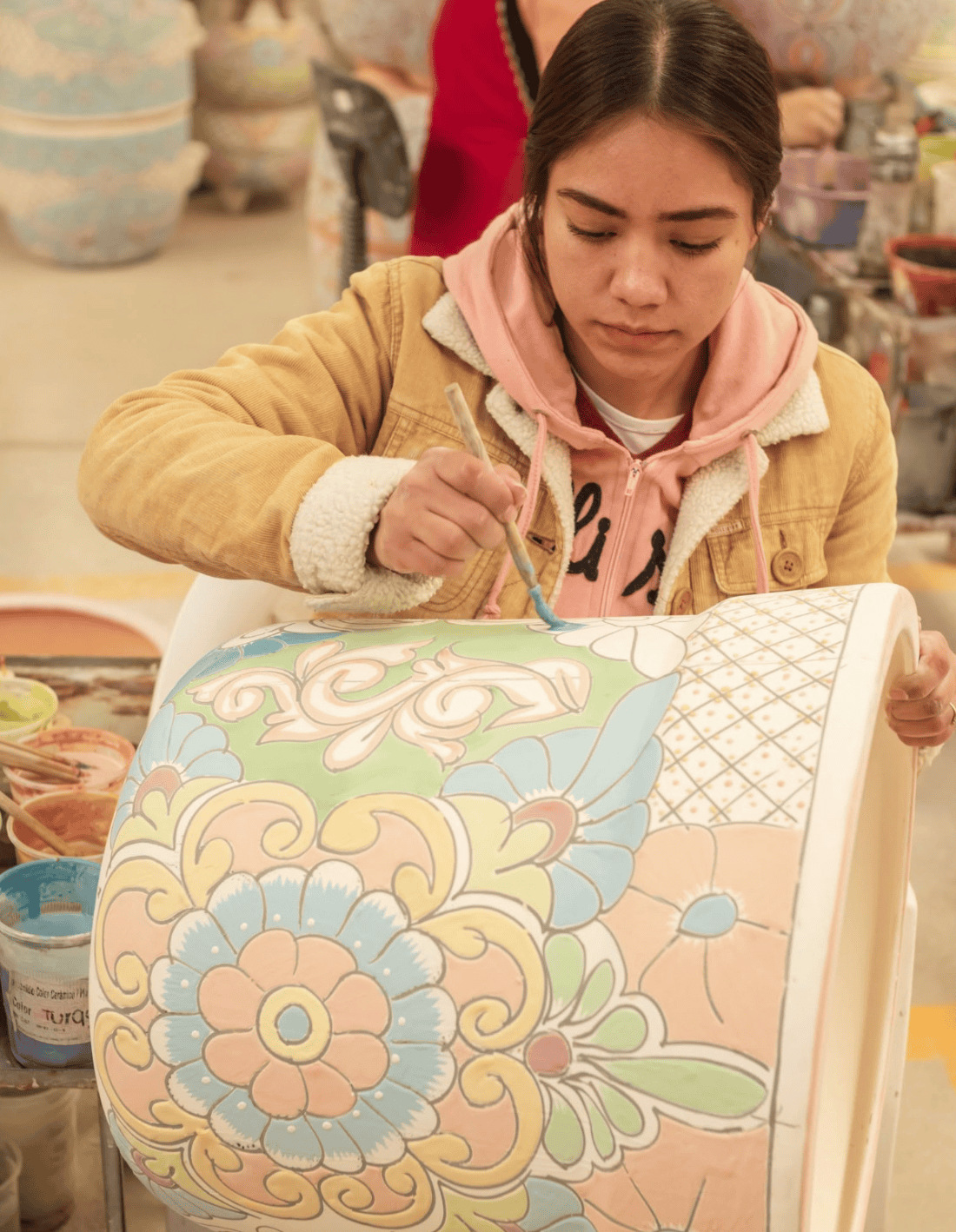
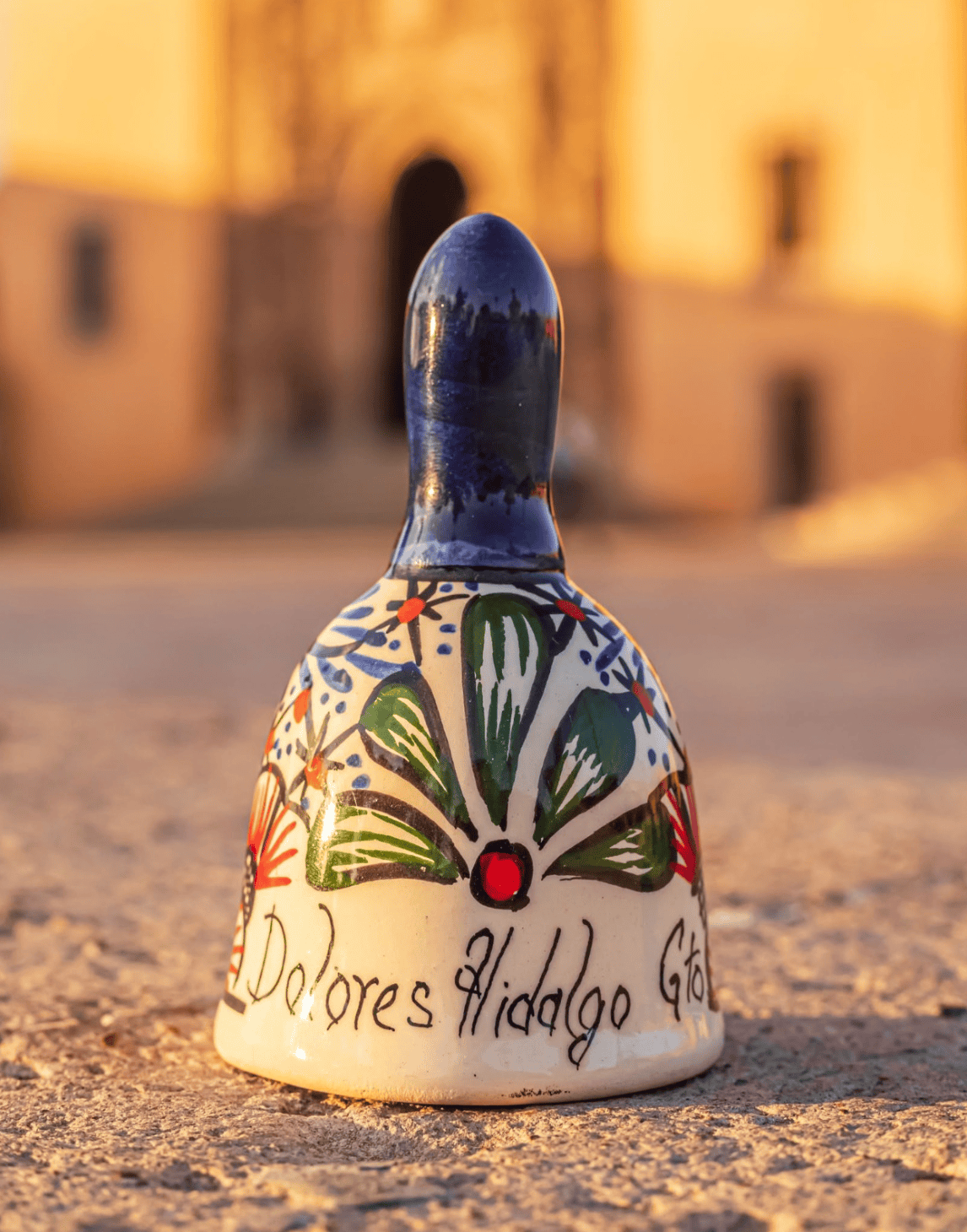
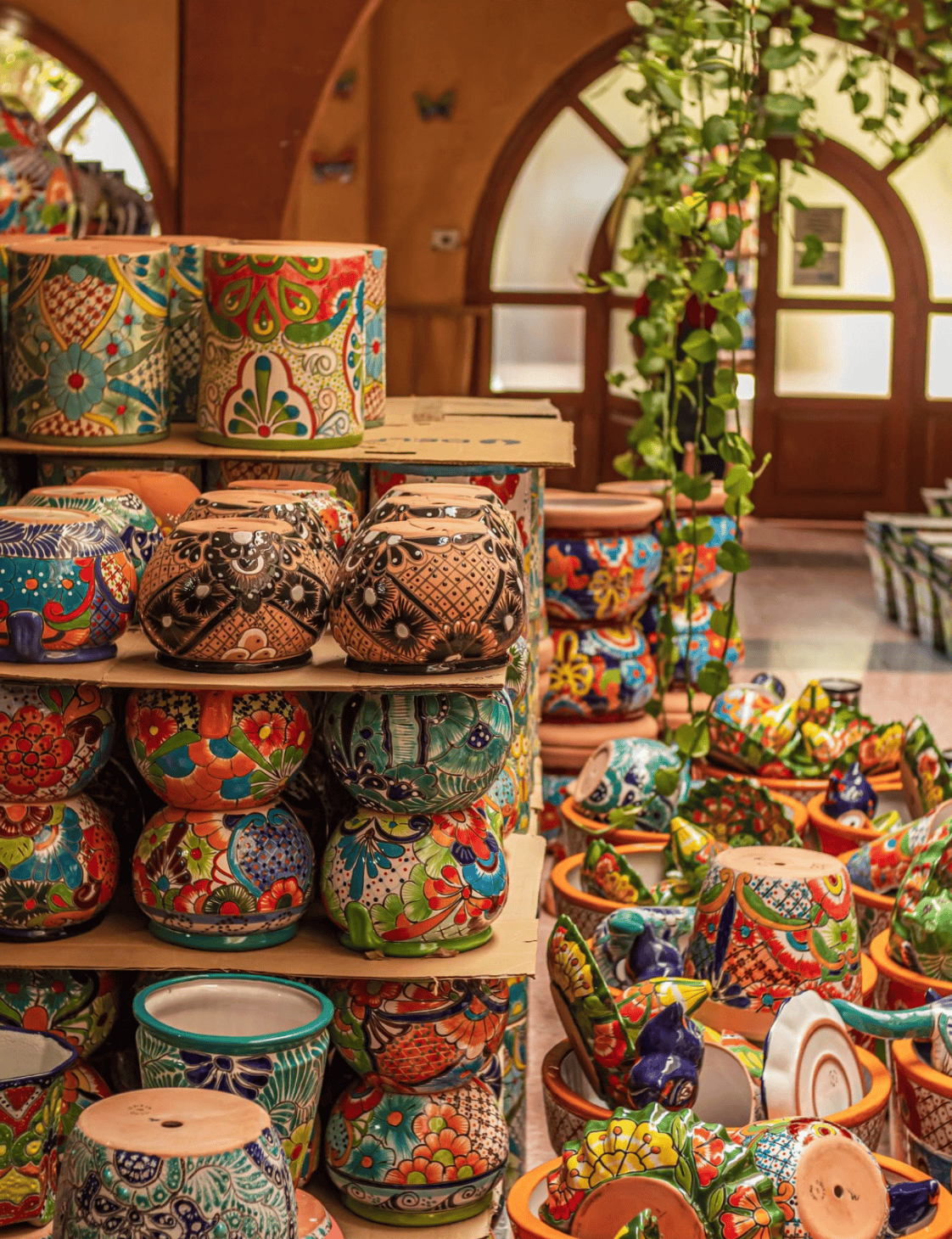
In Dolores Hidalgo, Cradle of National Independence (designated in 2002), the history of Mexico meets talavera pottery, ceramics, traditional flavors, and an identity deeply tied to National Independence.
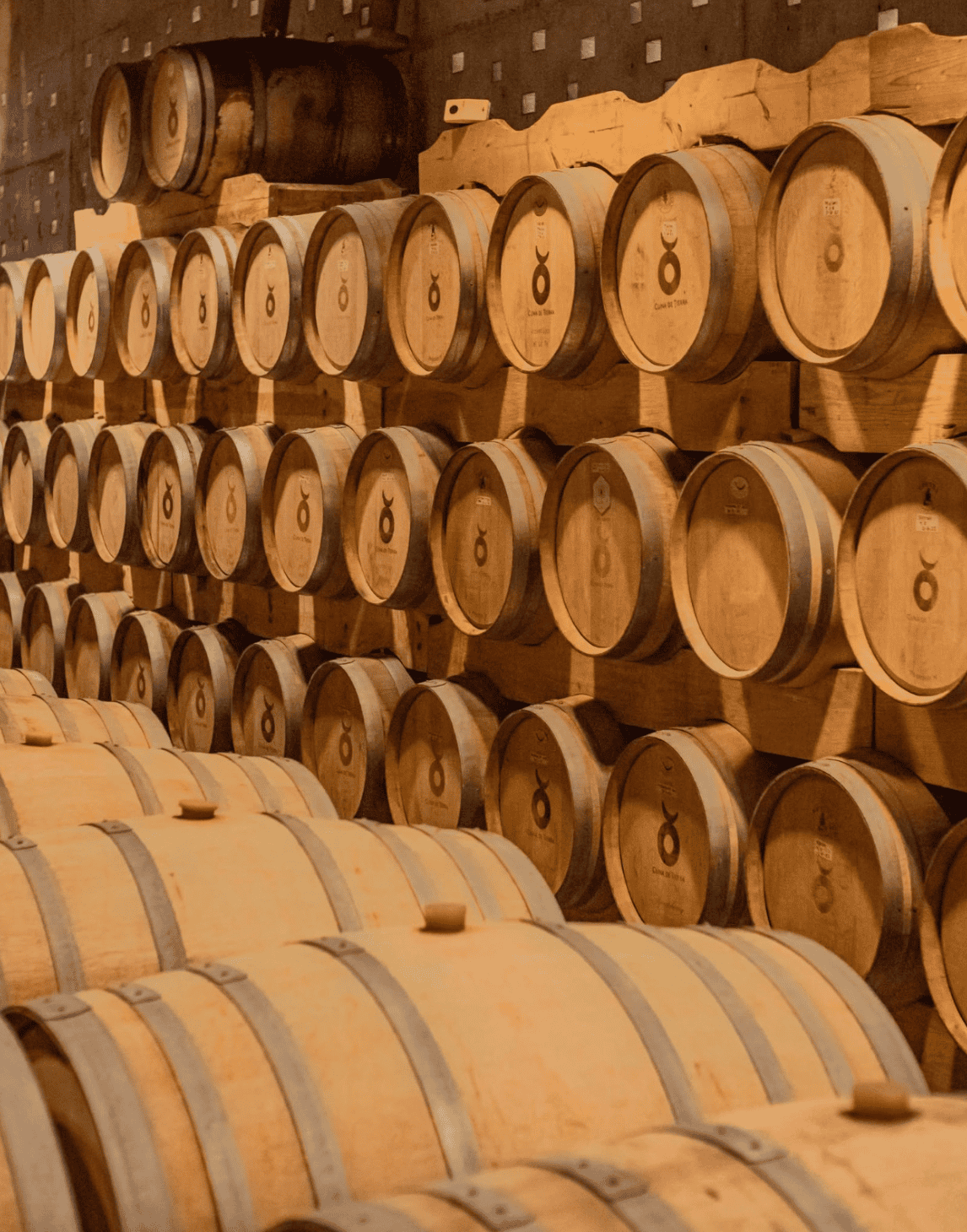

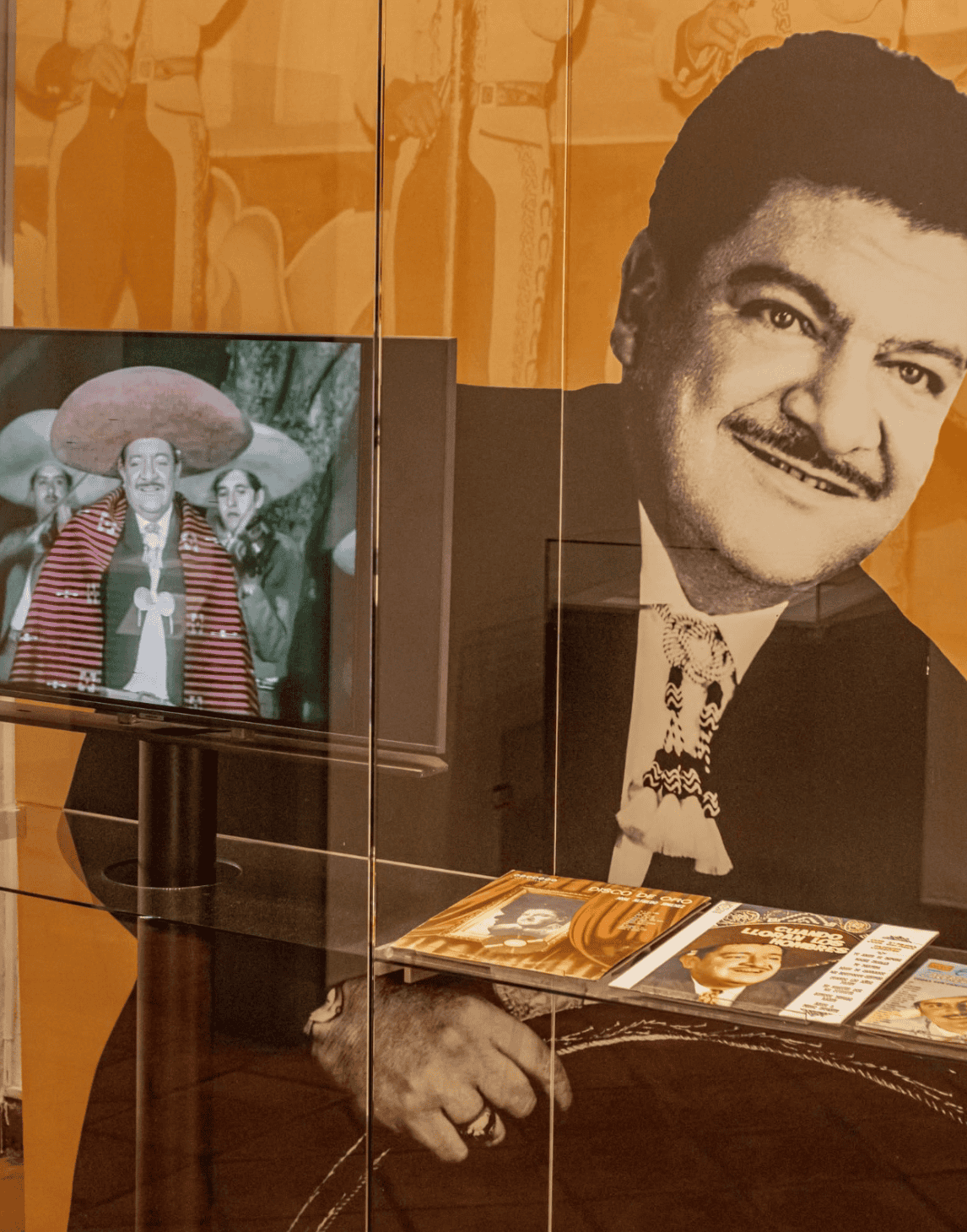
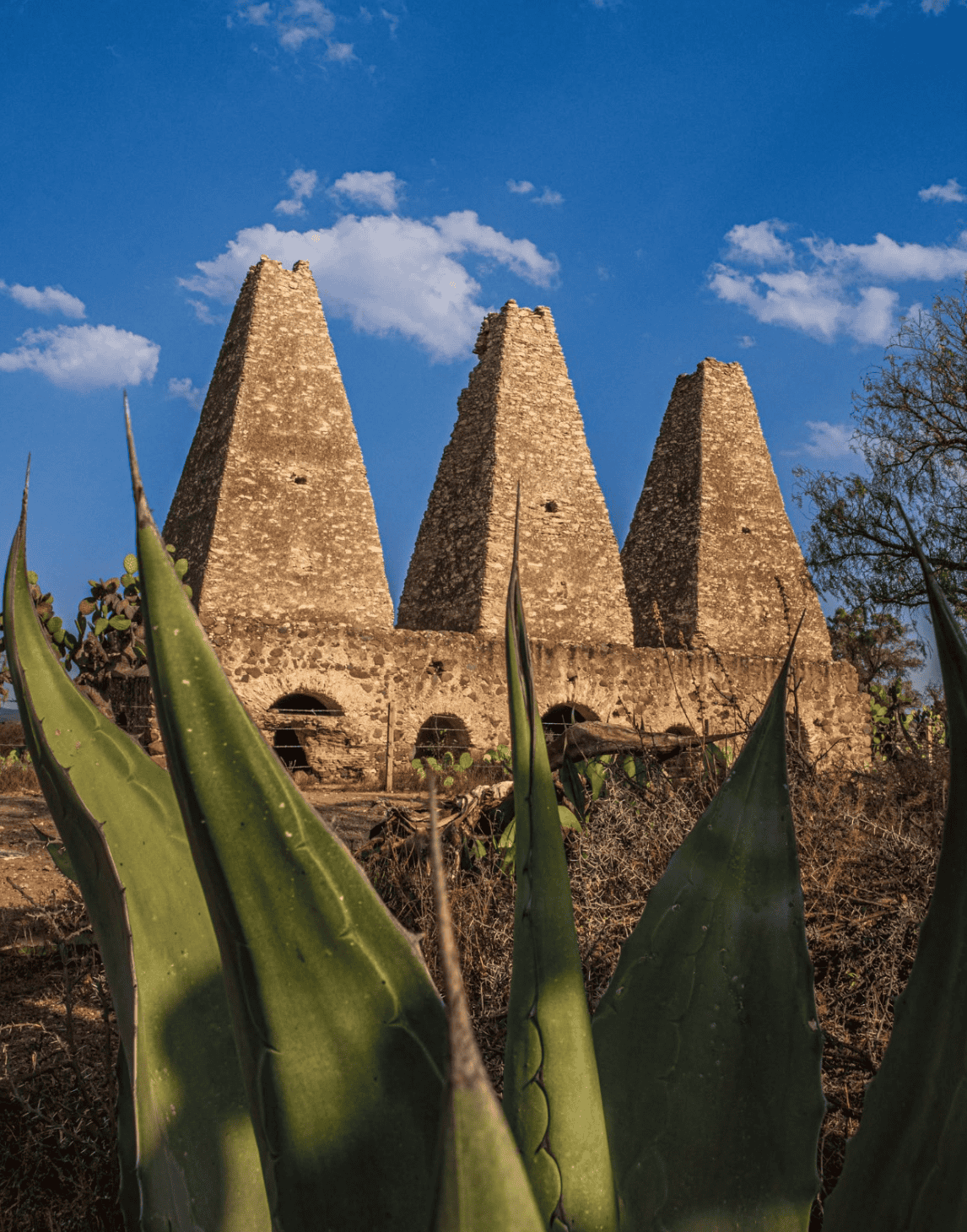
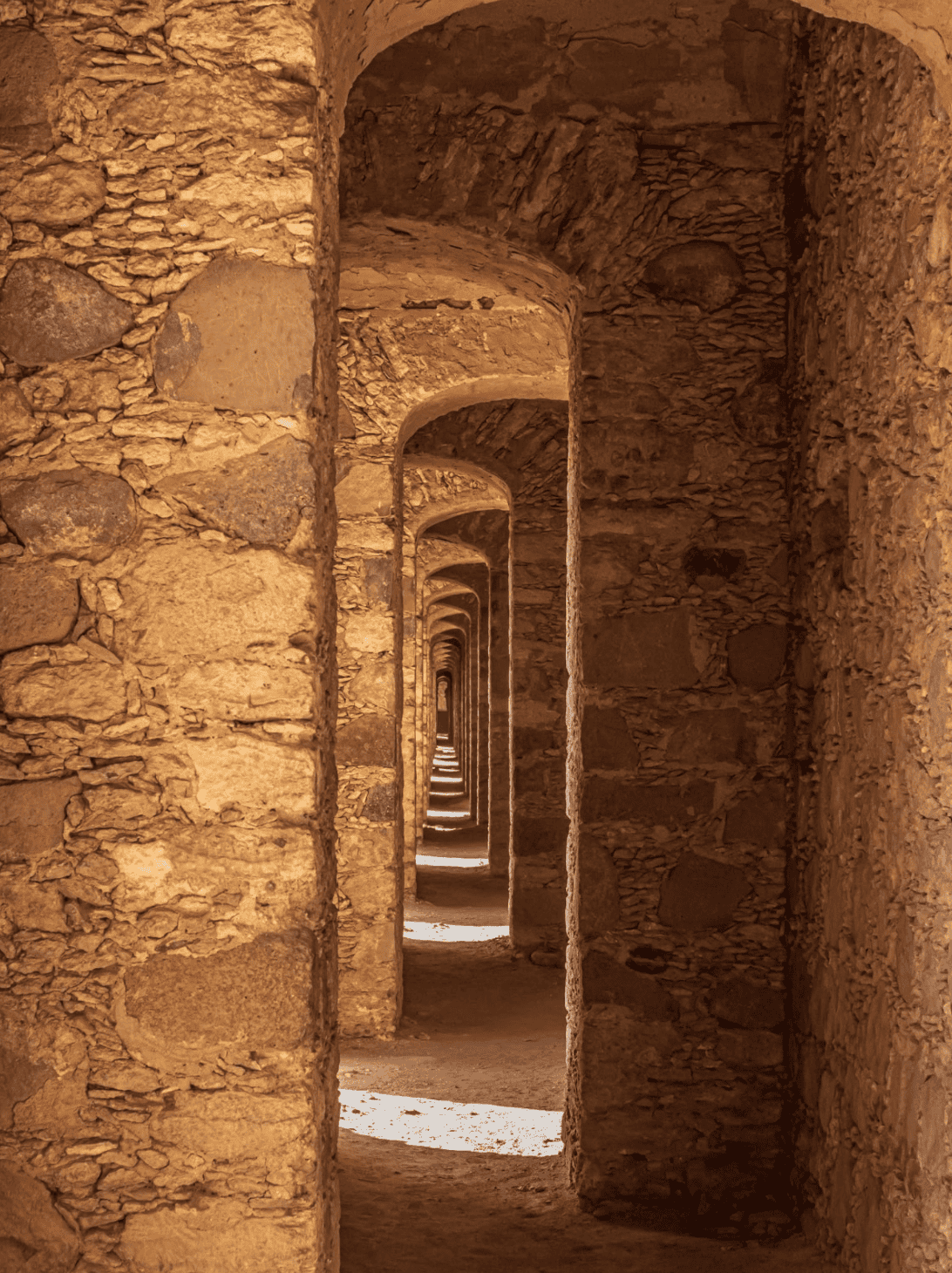
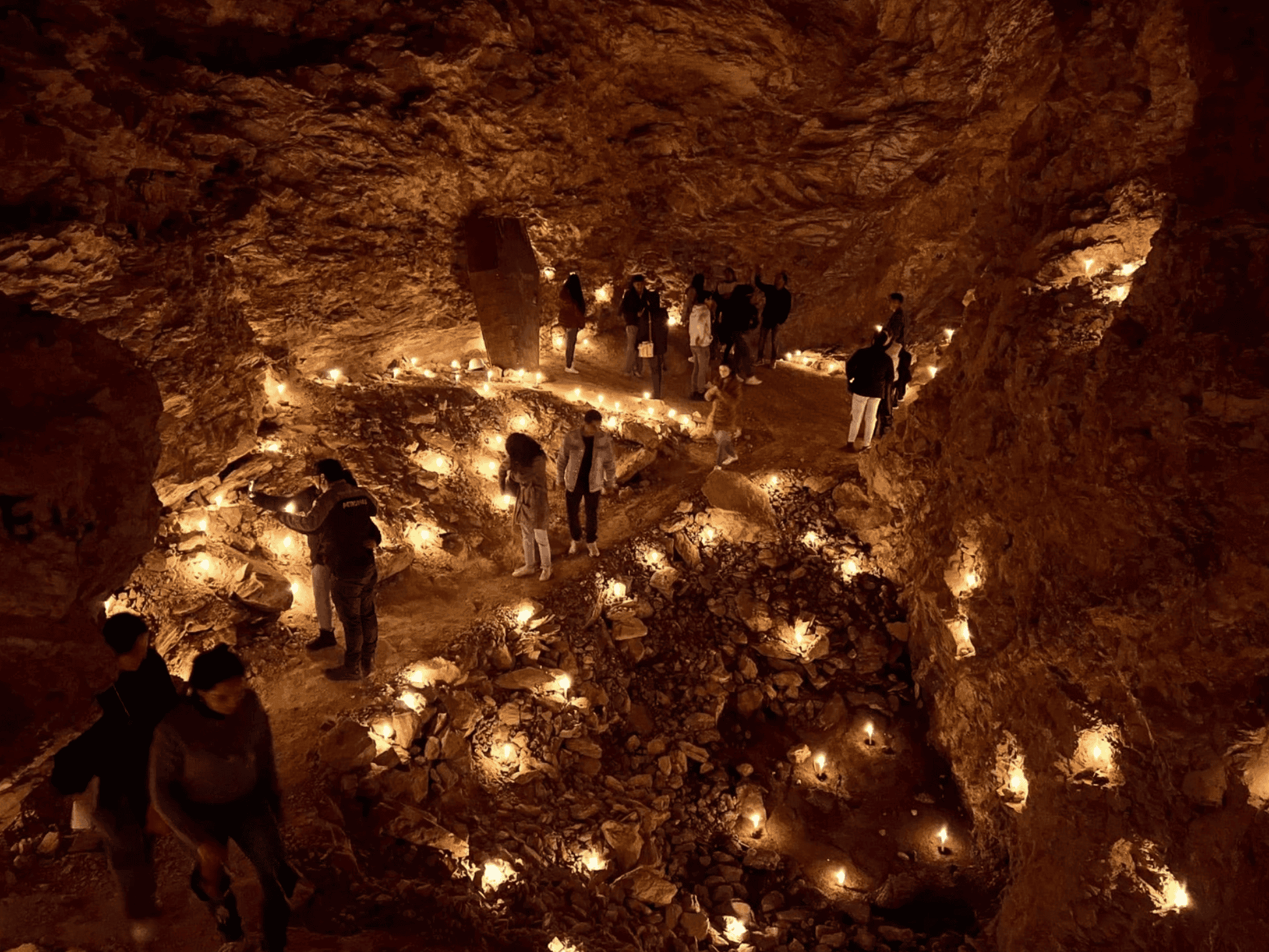
Mineral de Pozos (designated in 2012), in San Luis de la Paz, it preserves the memory of its mining past among old haciendas, architecture, crafts, music, gastronomy, and community experiences that allow visitors to learn about the destination through those who keep its knowledge alive.
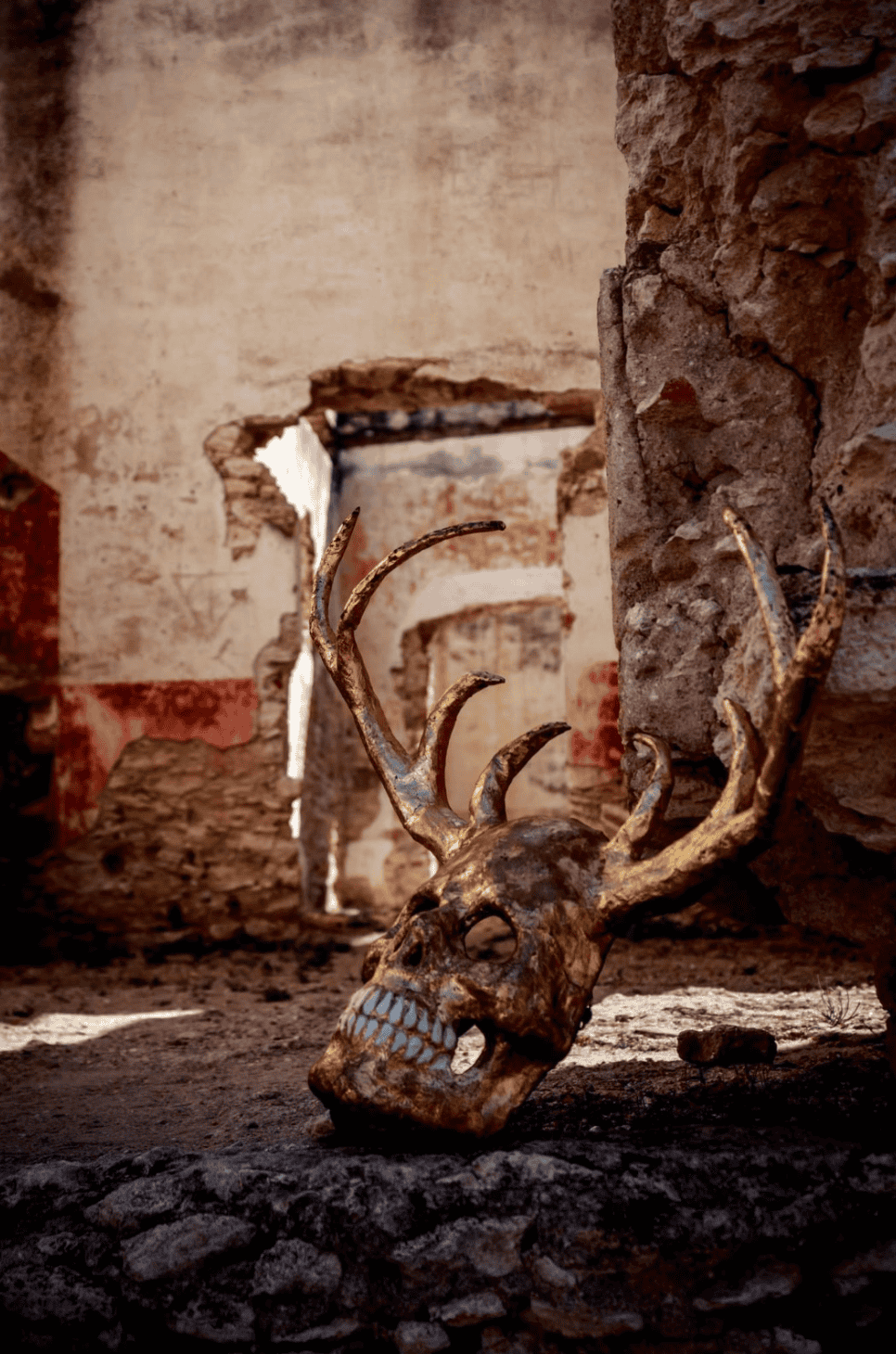
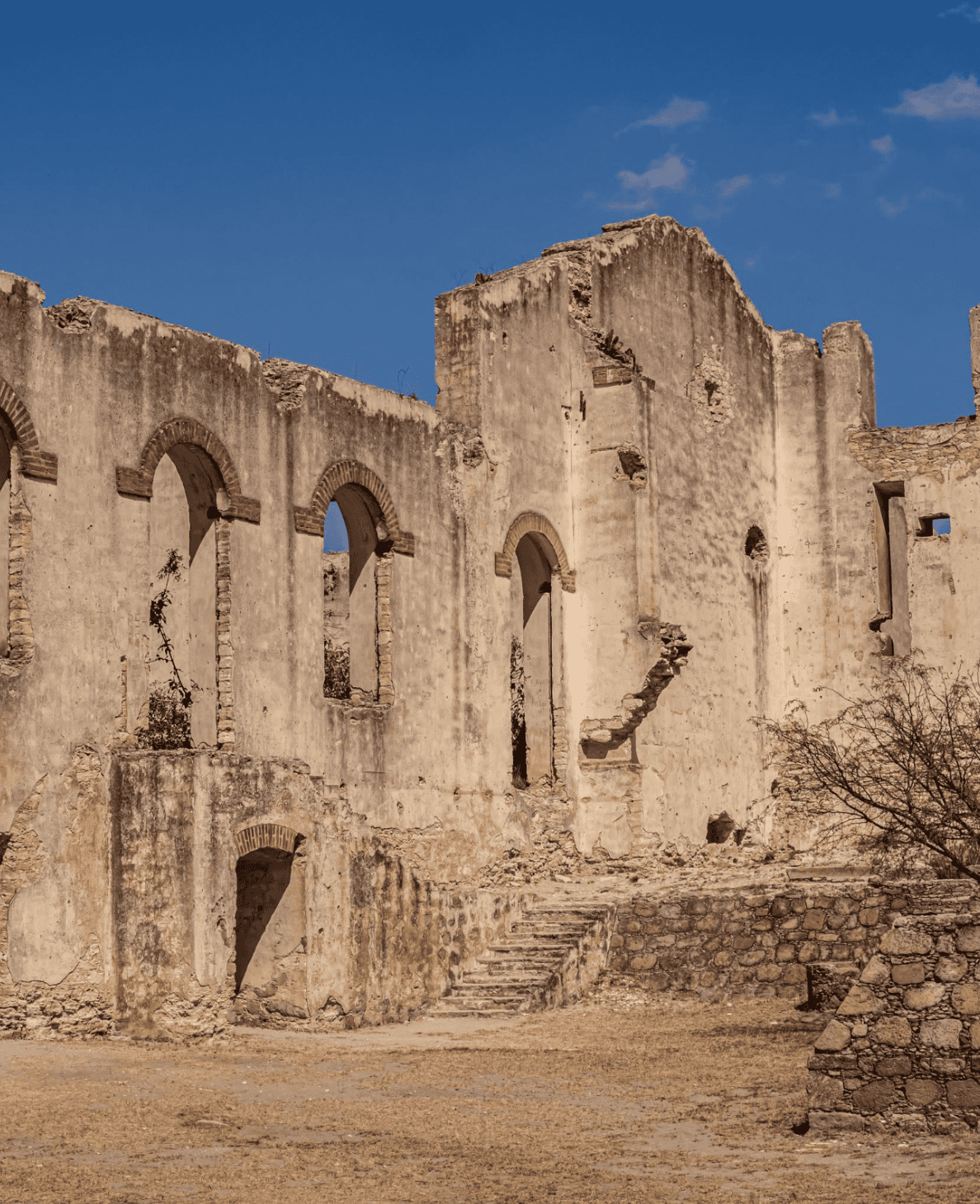
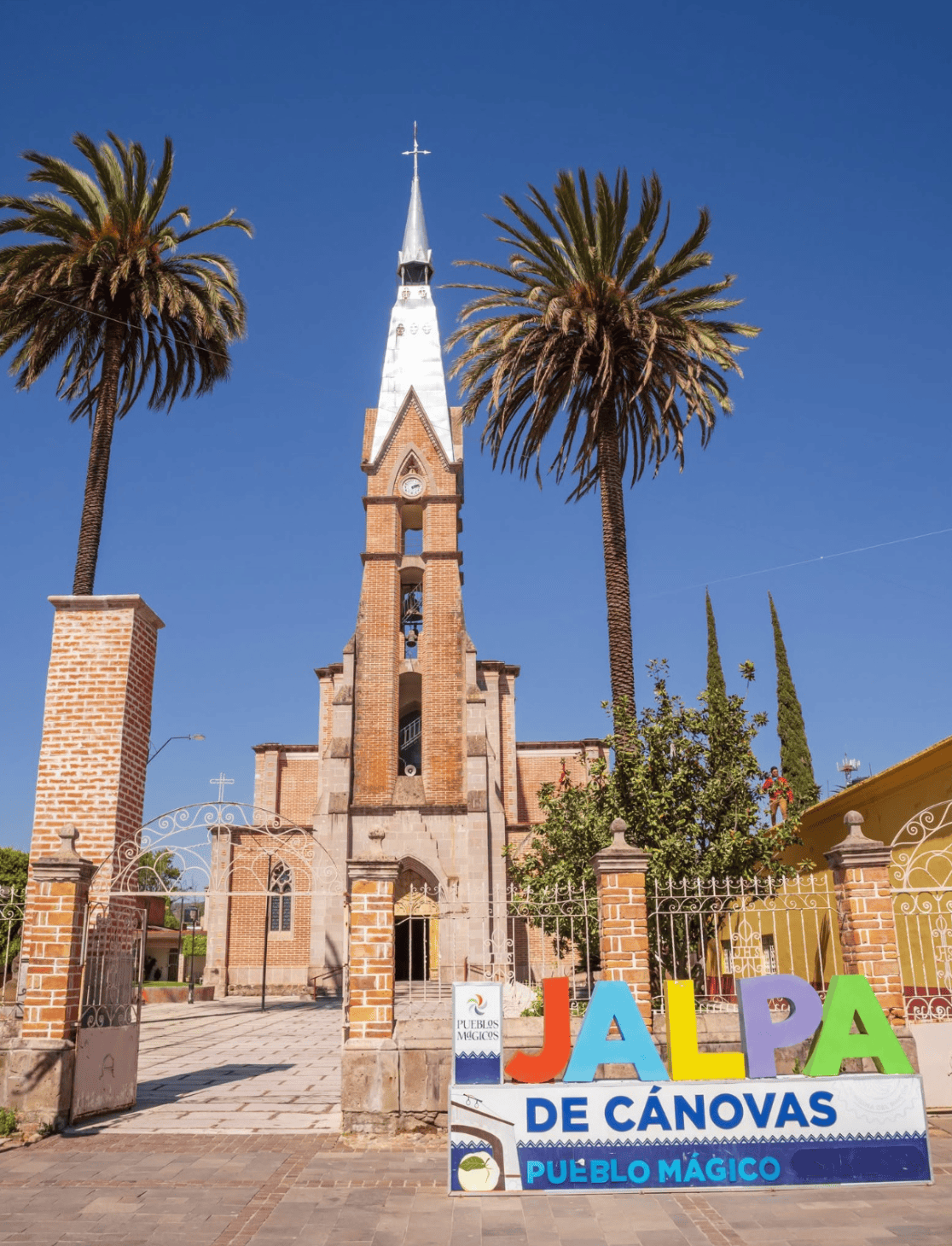
In Jalpa de Cánovas (designated in 2012), in the municipality of Purísima del Rincón, the architecture, landscapes, traditions, and history of its former haciendas coexist with a community that has turned its heritage into part of a close and authentic tourism experience.
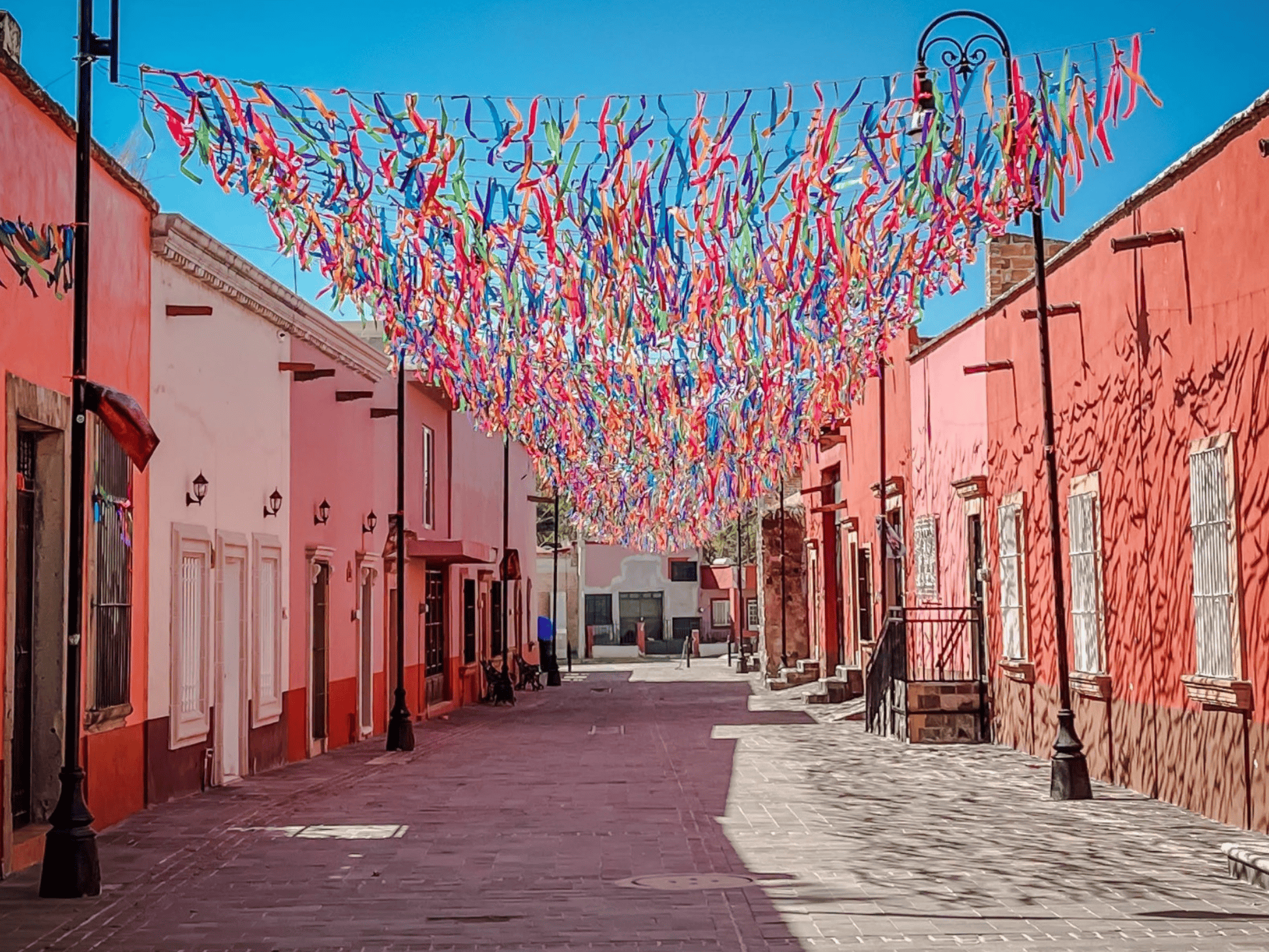
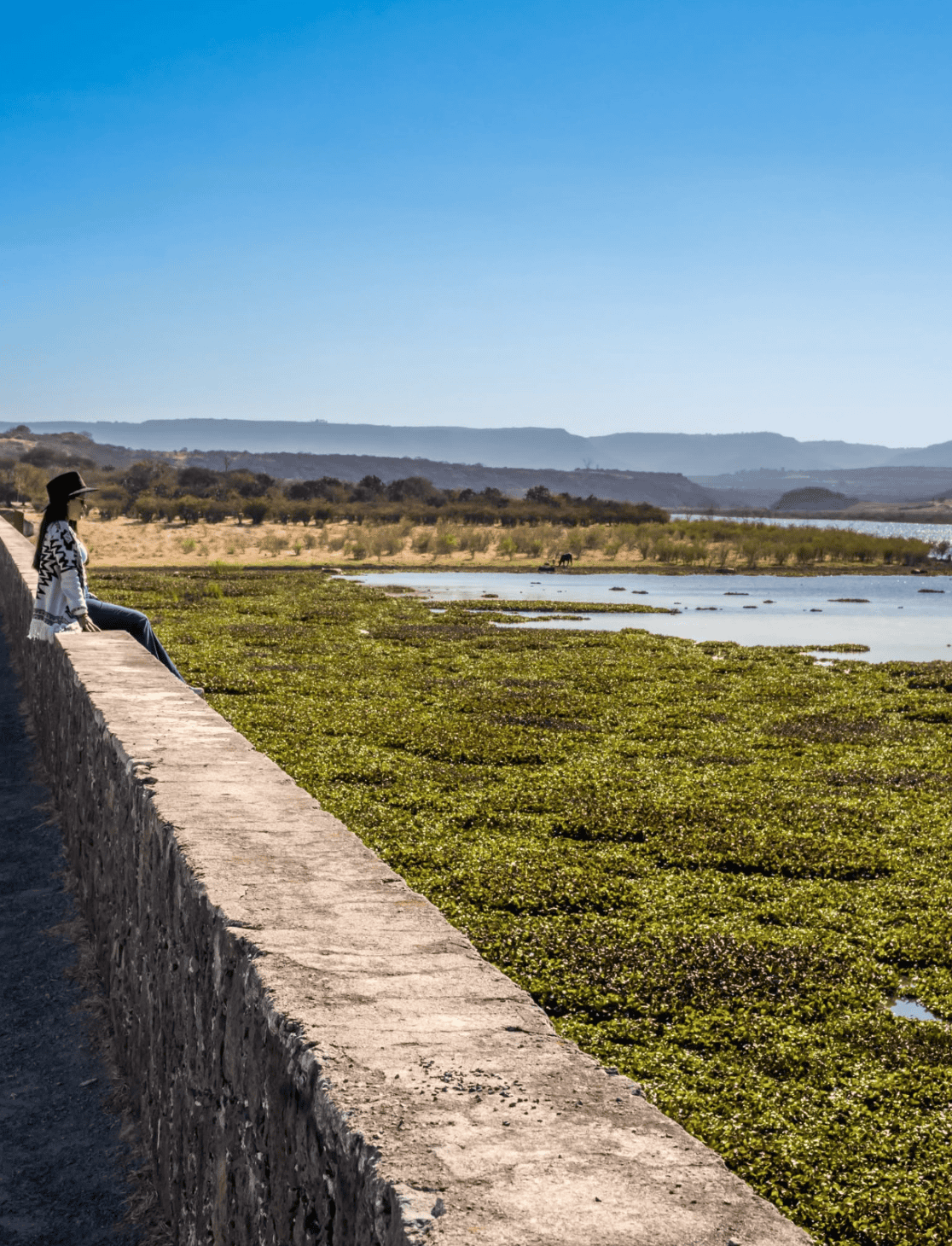
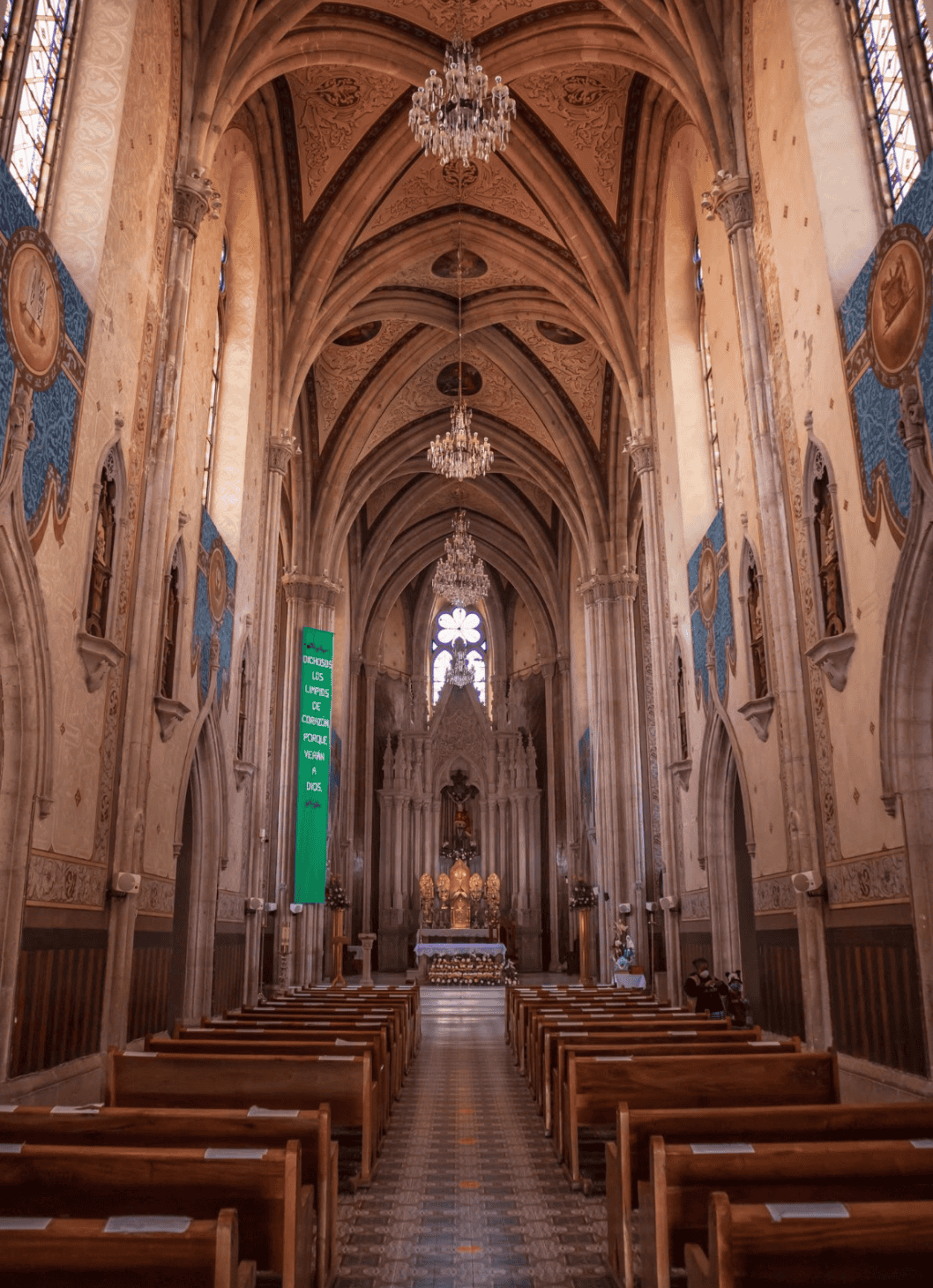
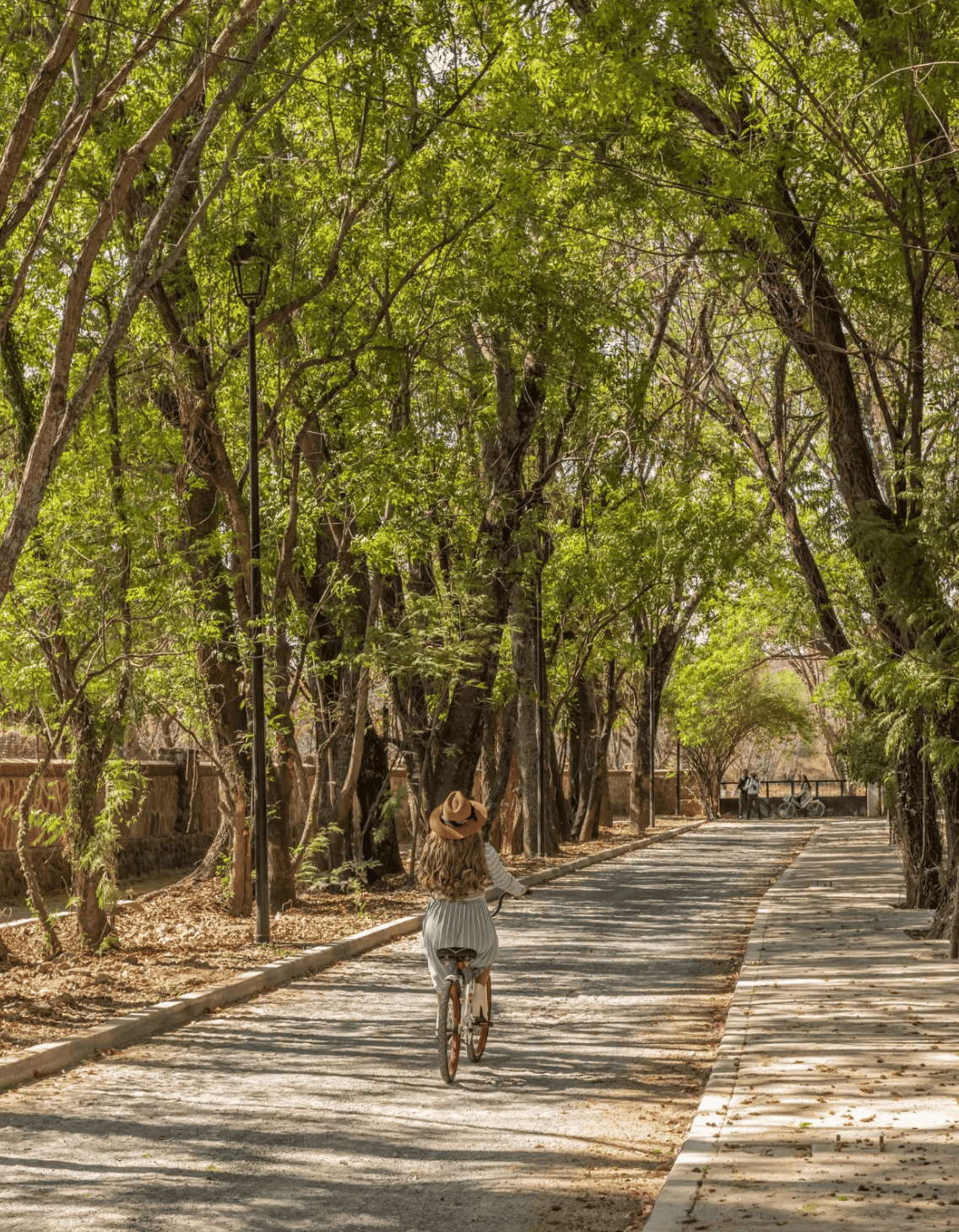
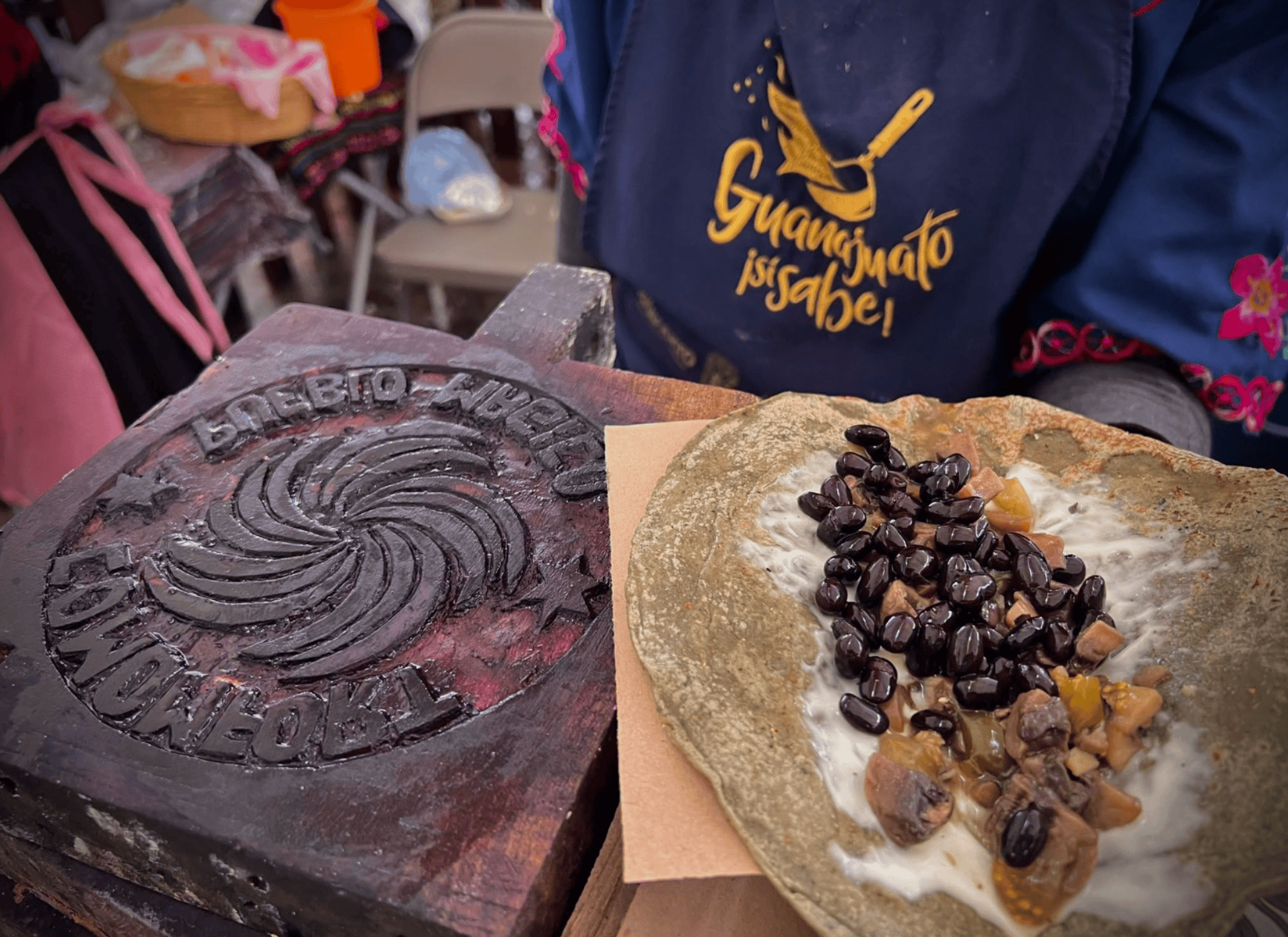
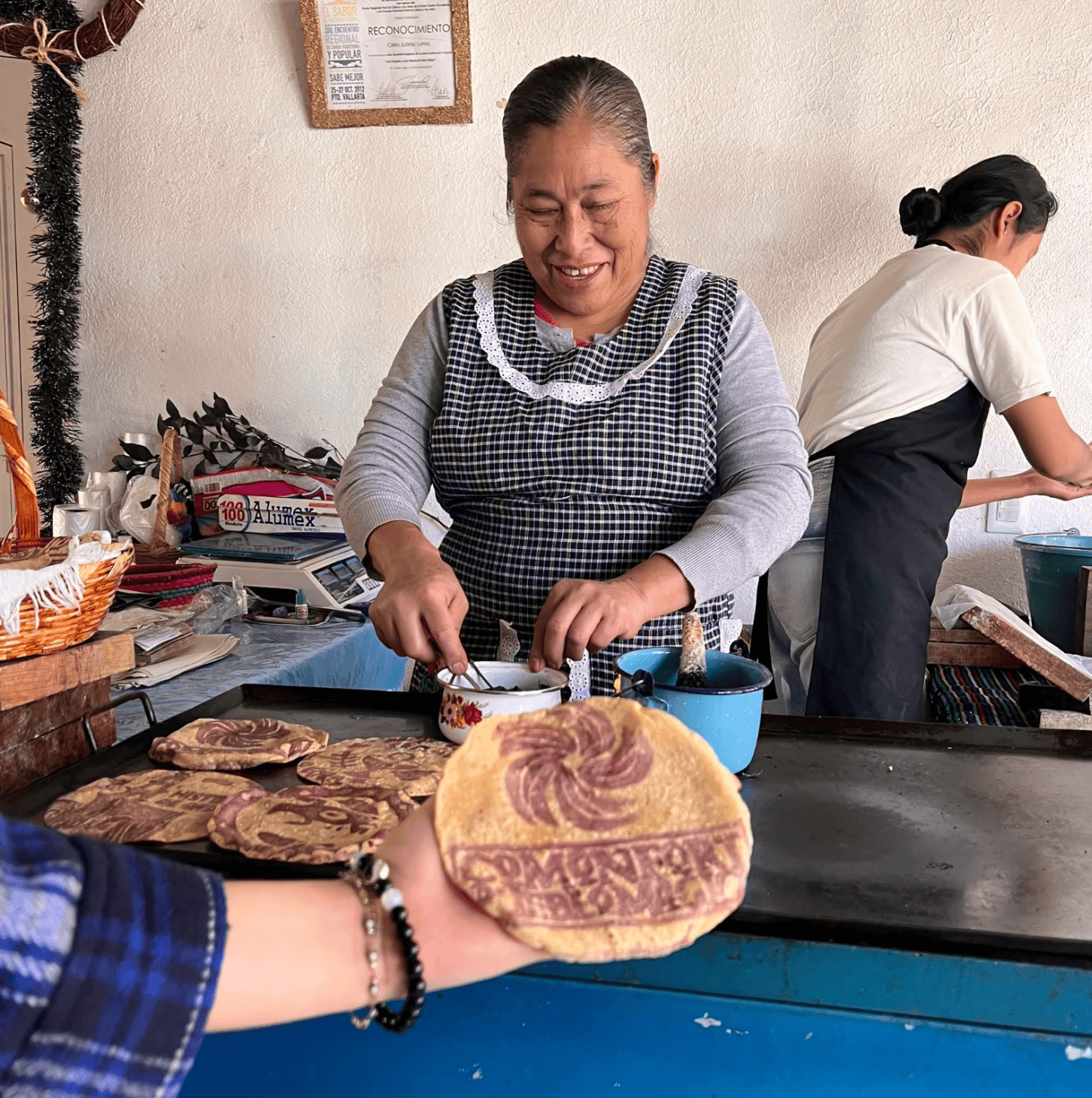
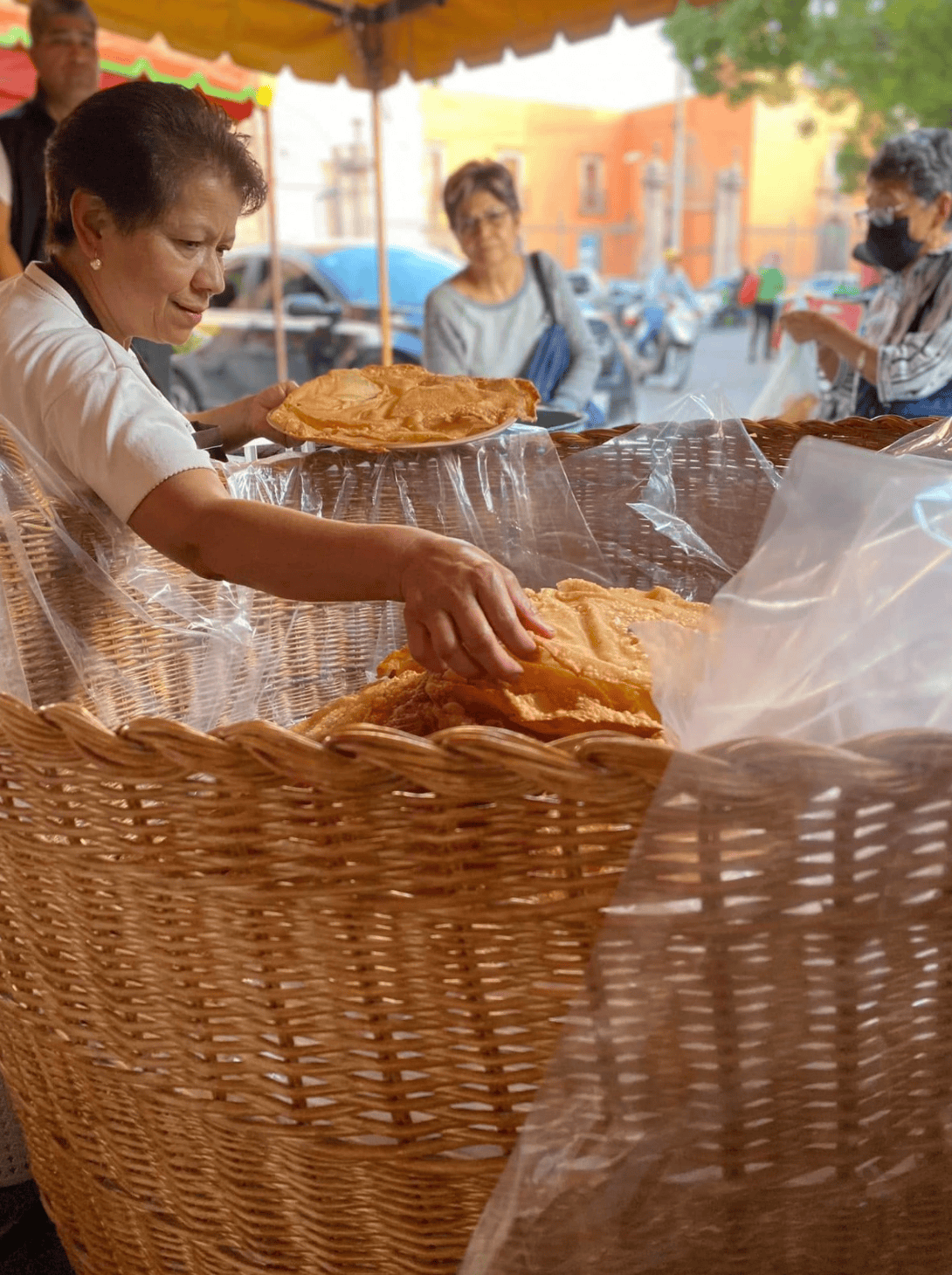
Comonfort (designated in 2018), it is a land of traditions, textiles, and gastronomy, where the artisanal work of its communities and products such as ceremonial tortillas are part of an identity shared with those who visit this Magical Town.
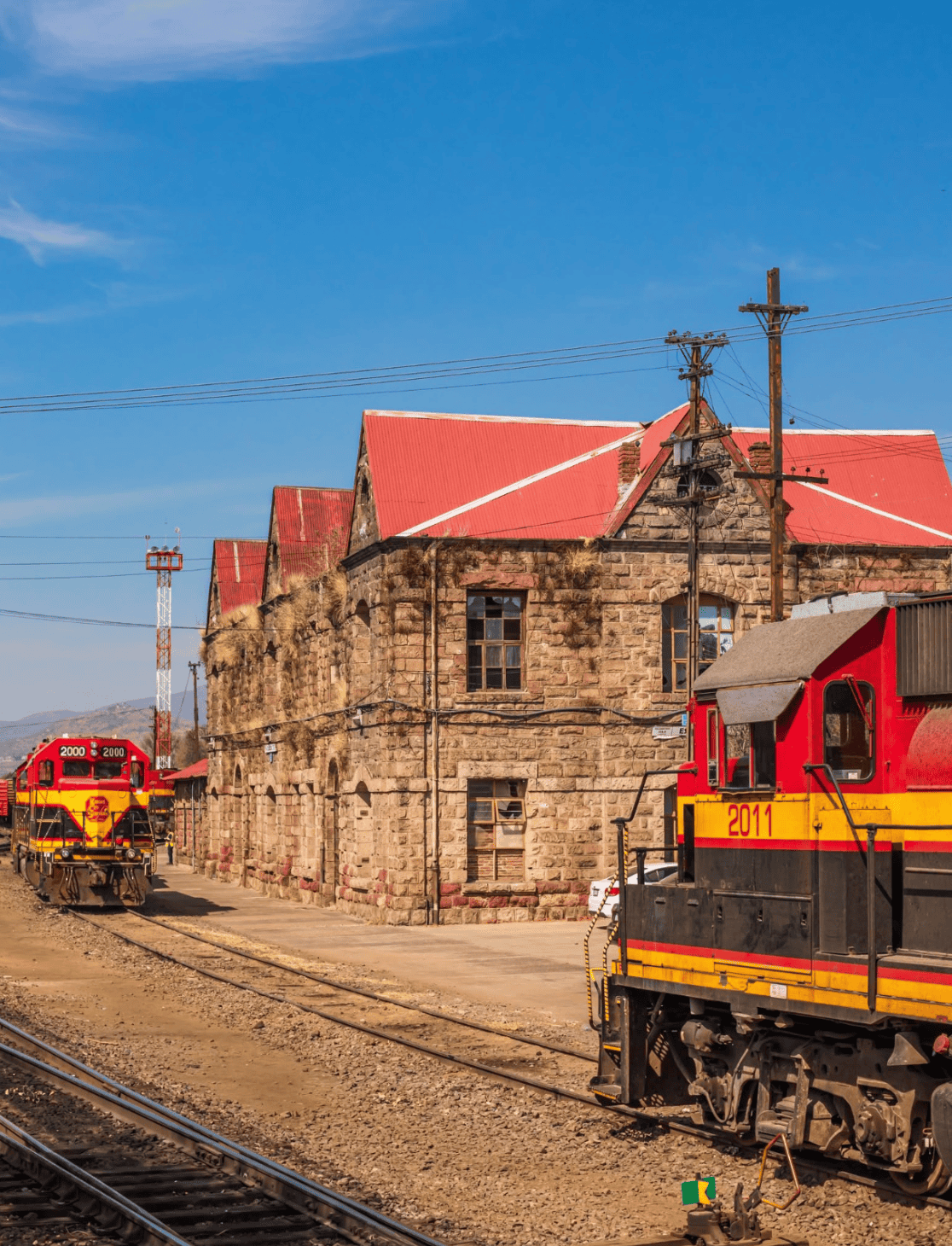
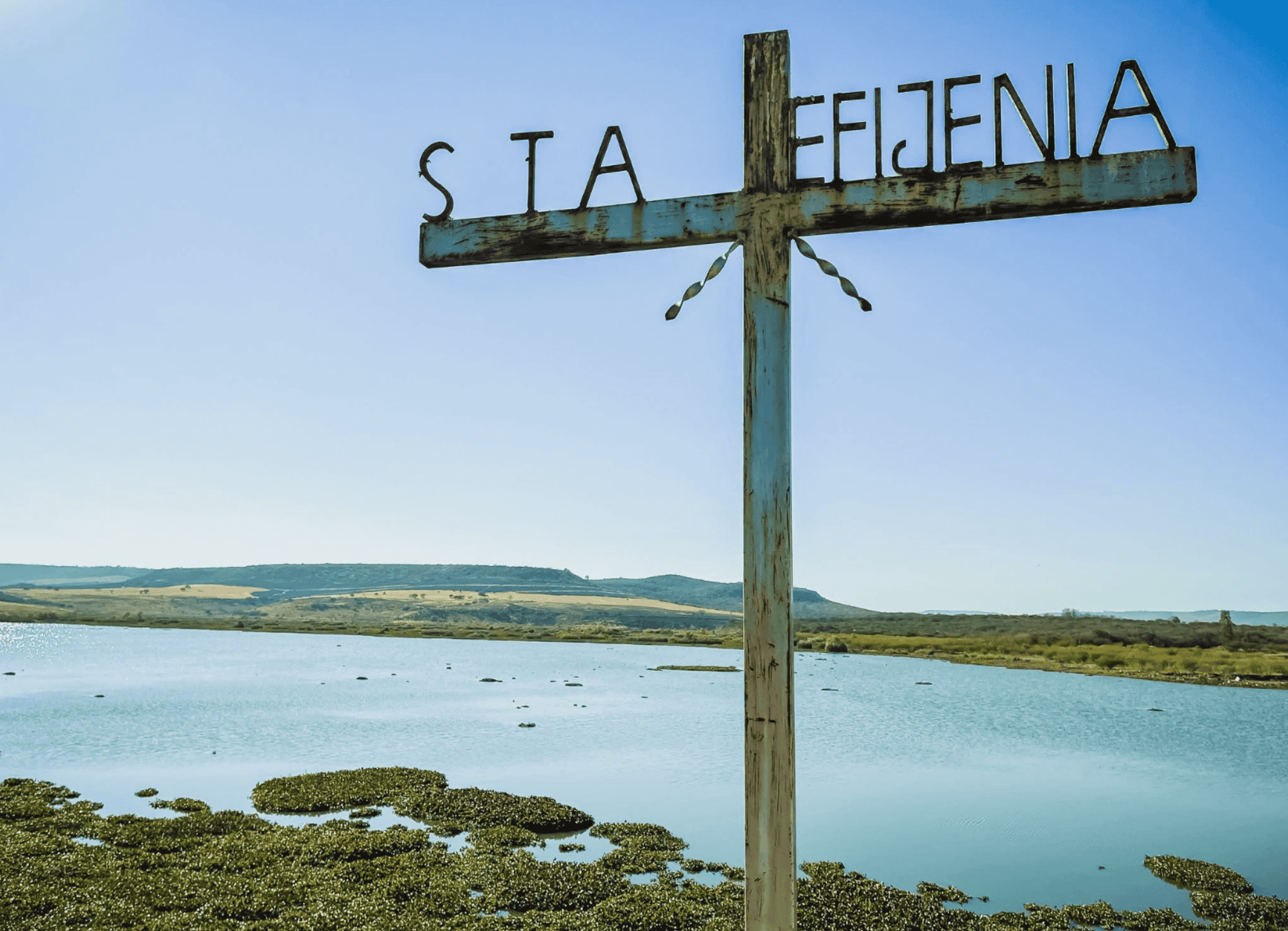
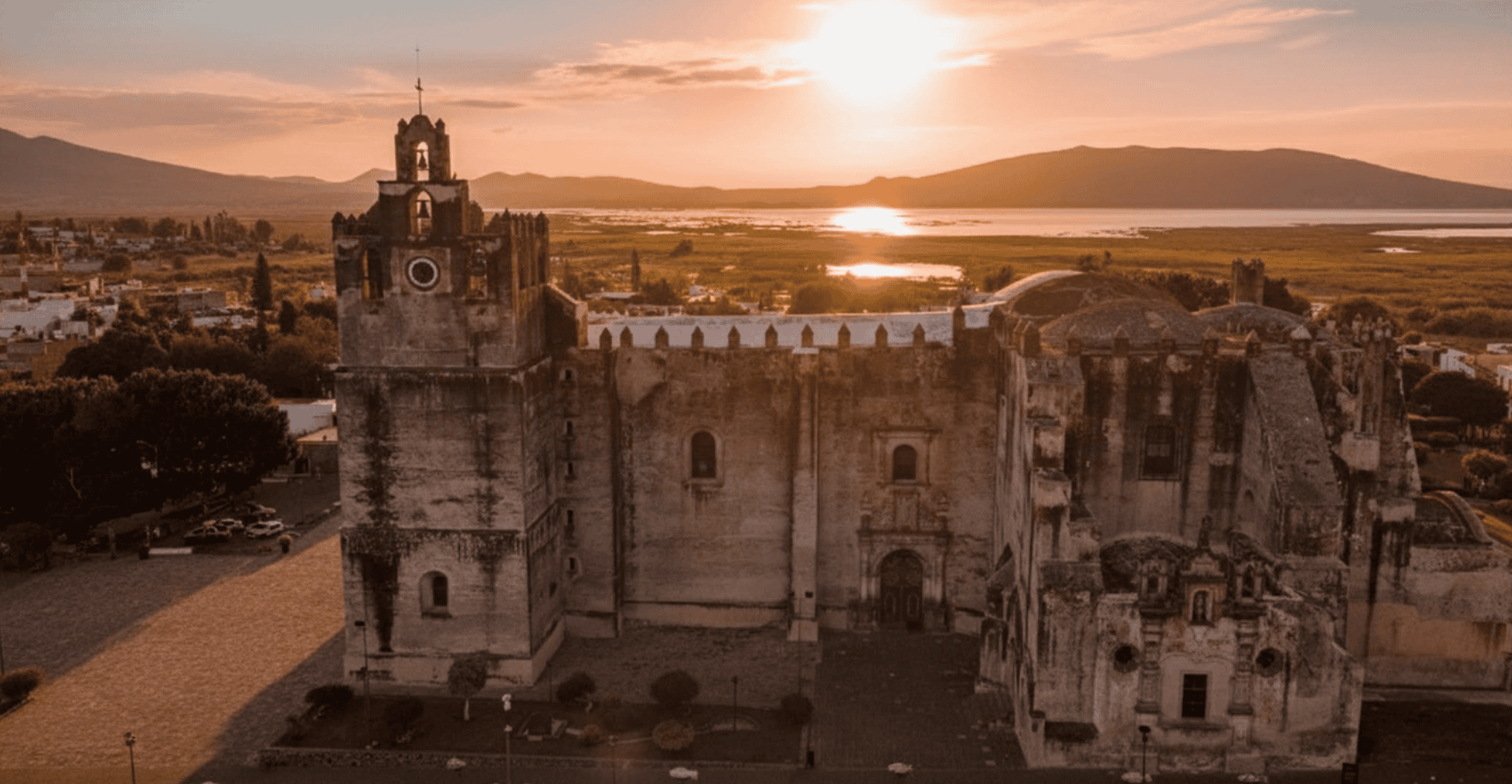
In Yuriria (designated in 2012), its historical and religious heritage, landscapes, and relationship with the lagoon create an experience where nature, culture, and history come together.


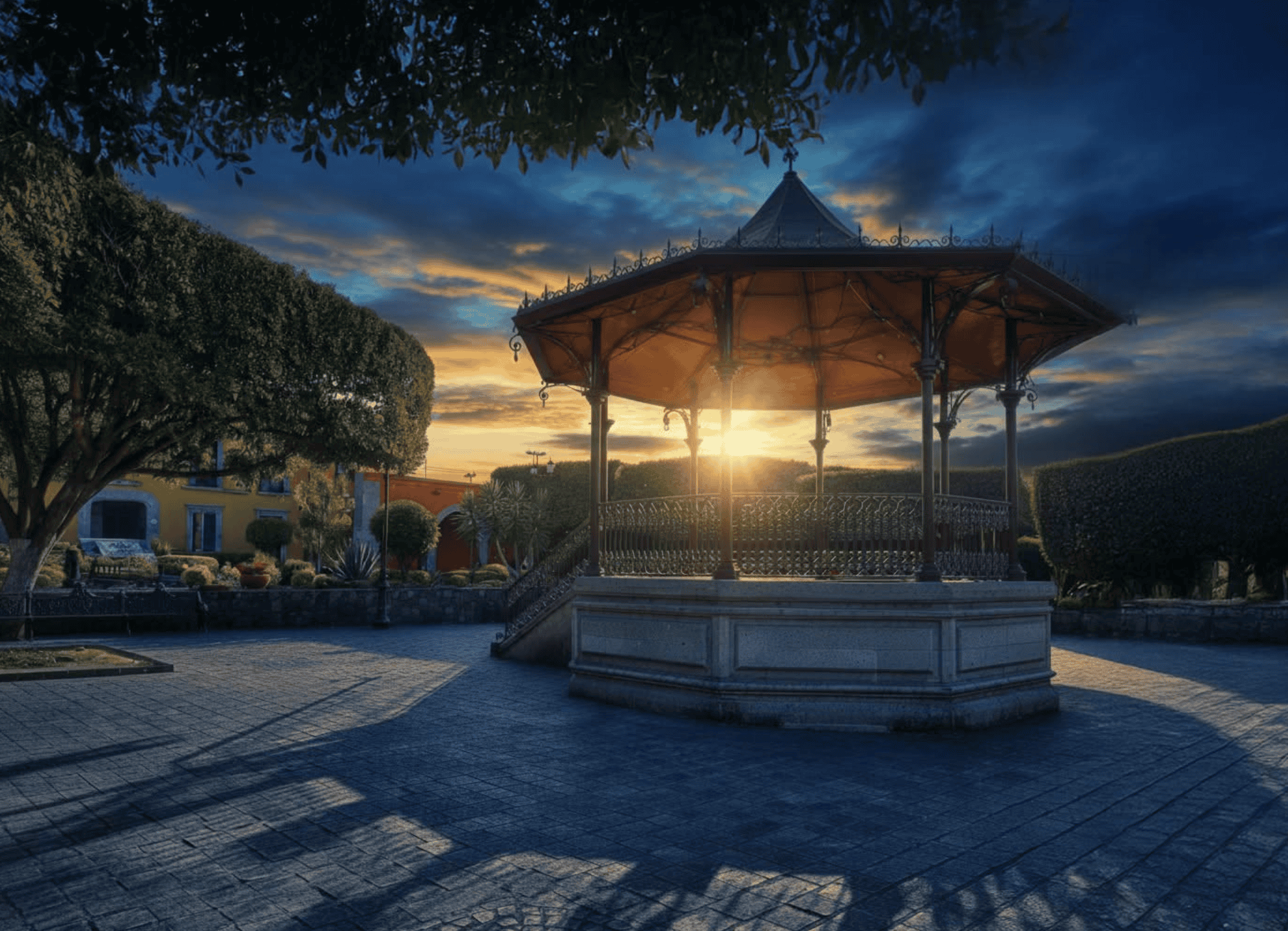
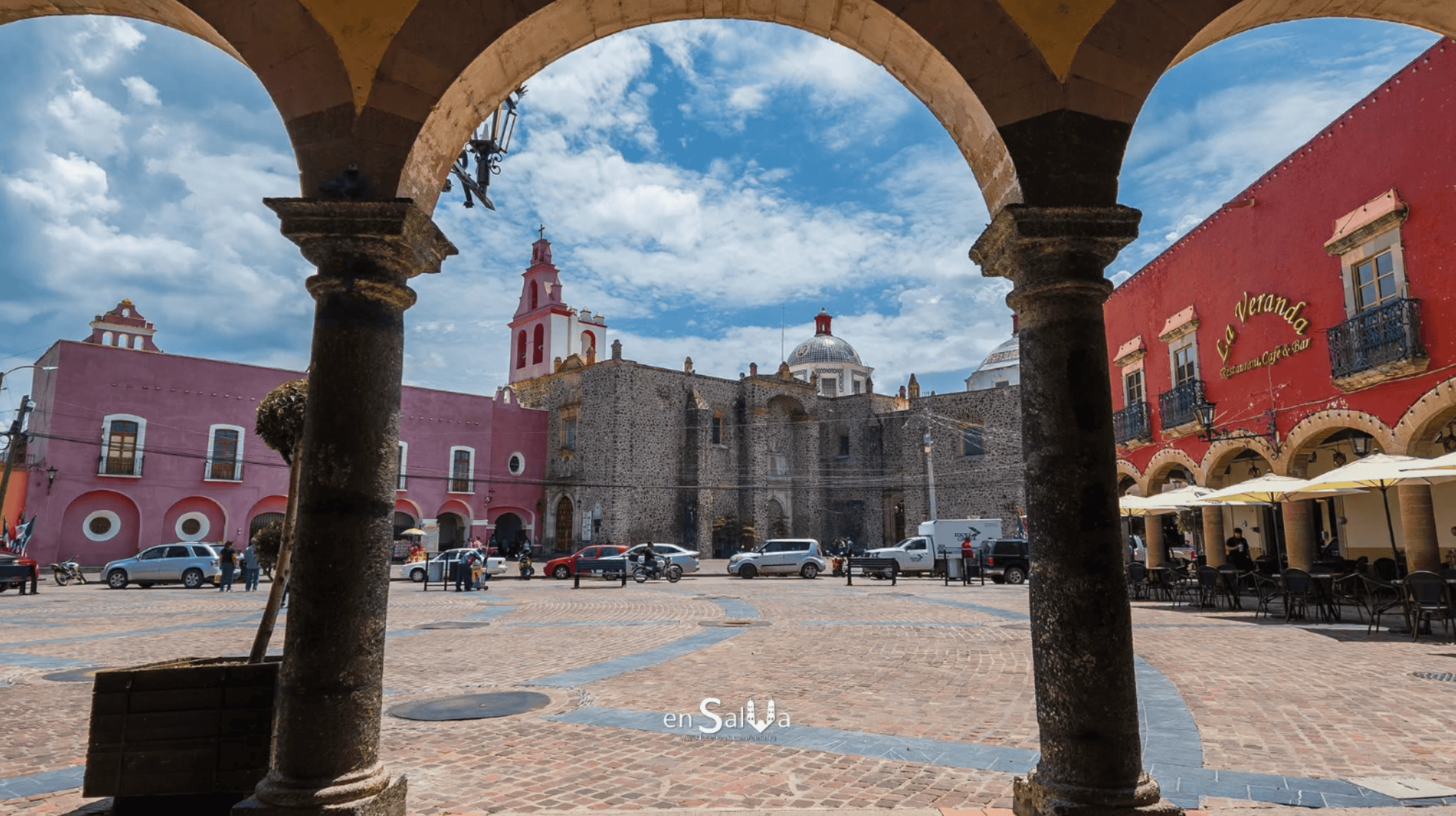
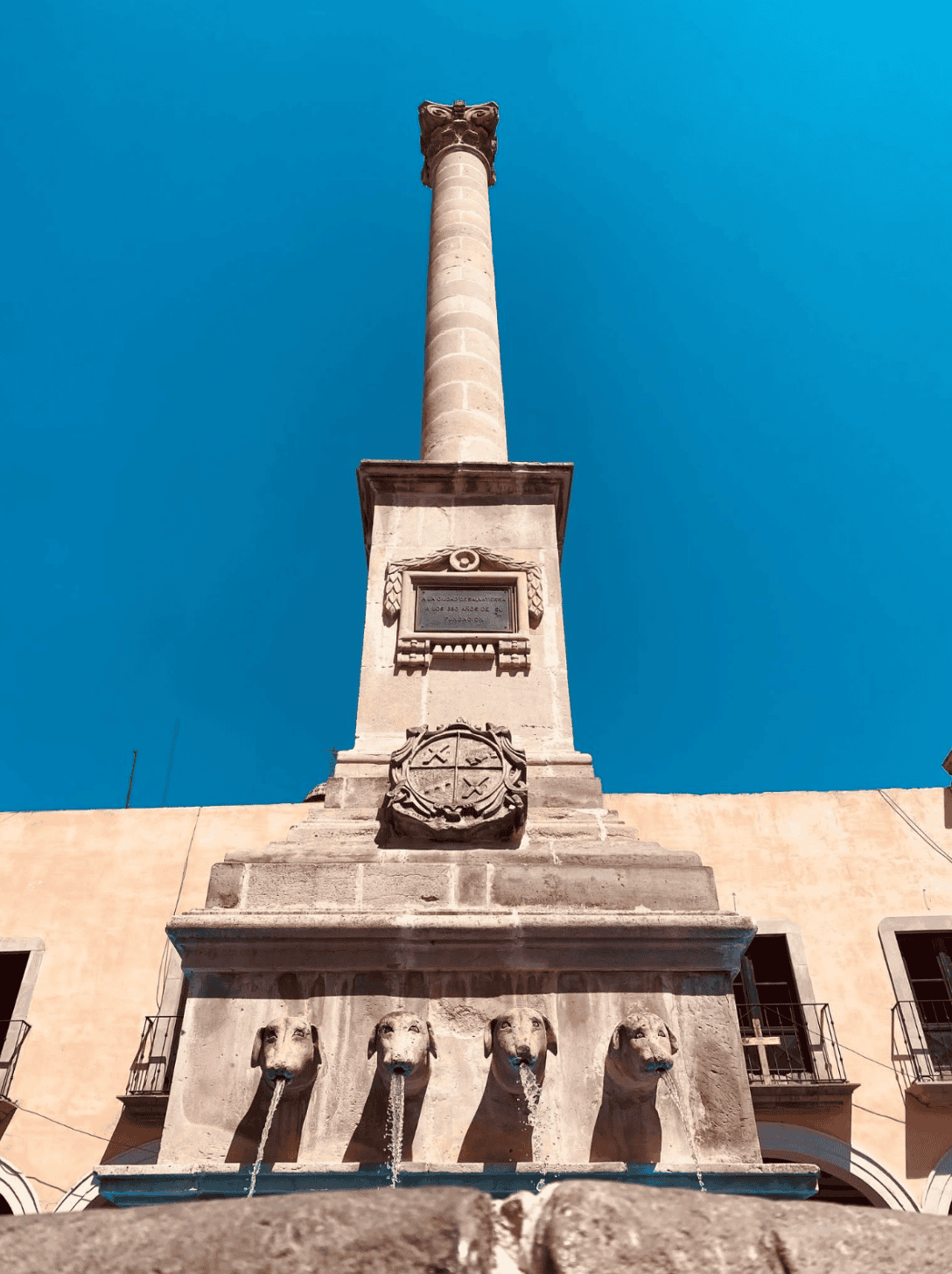
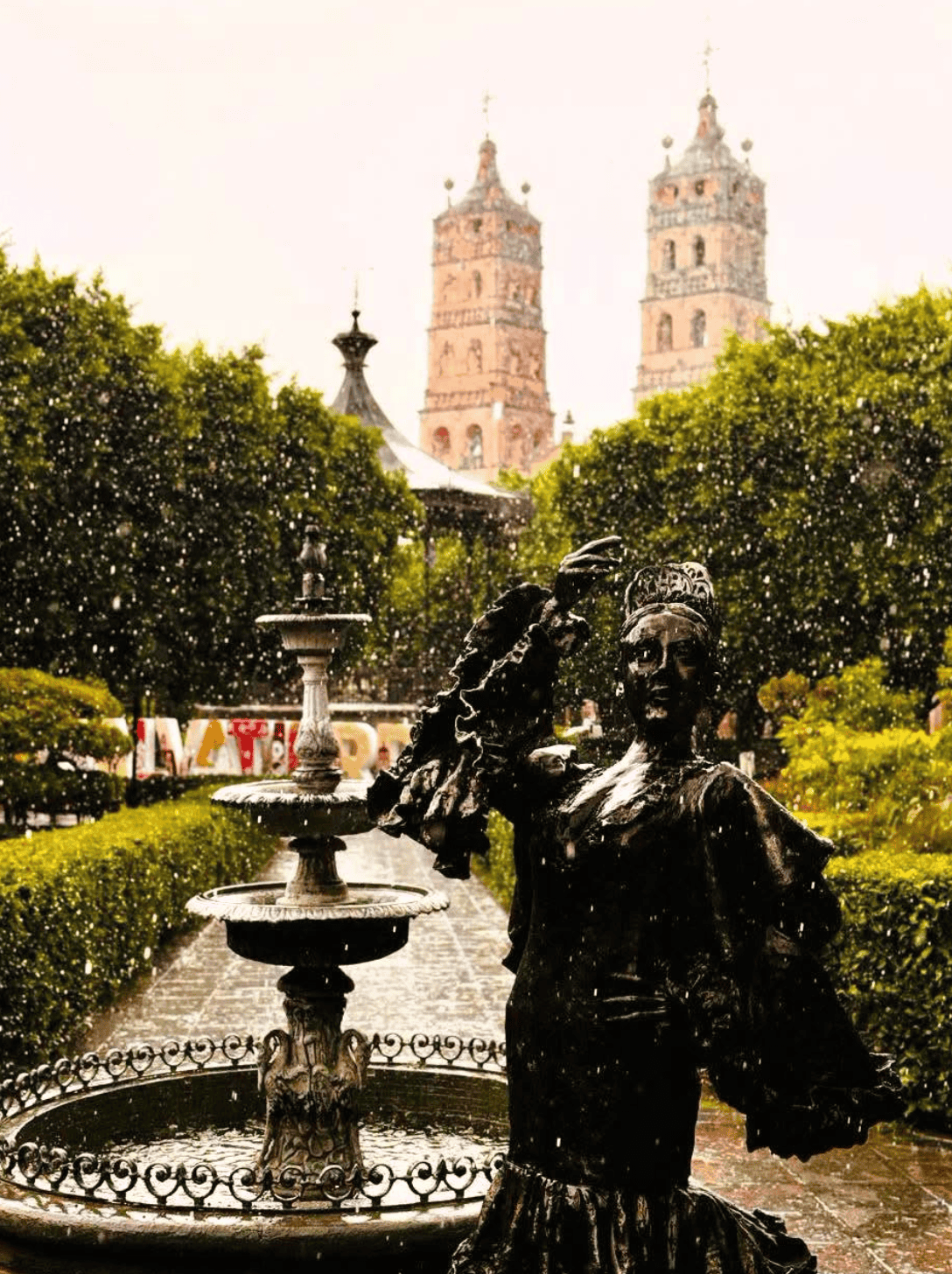
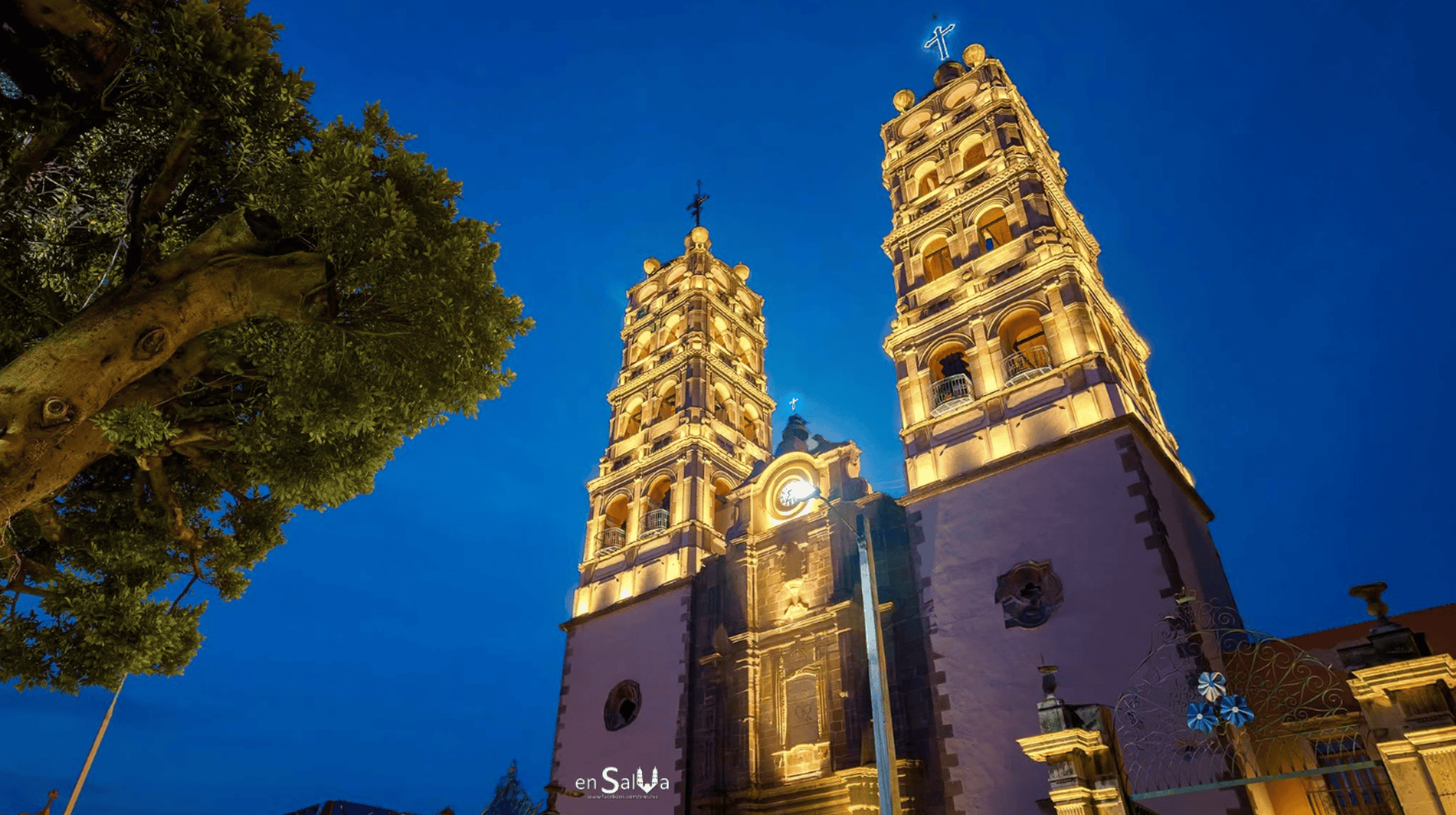
While Salvatierra (designated in 2012), it preserves, in its streets, churches, mansions, and old buildings, part of a history interwoven with the traditions and daily life of its residents.
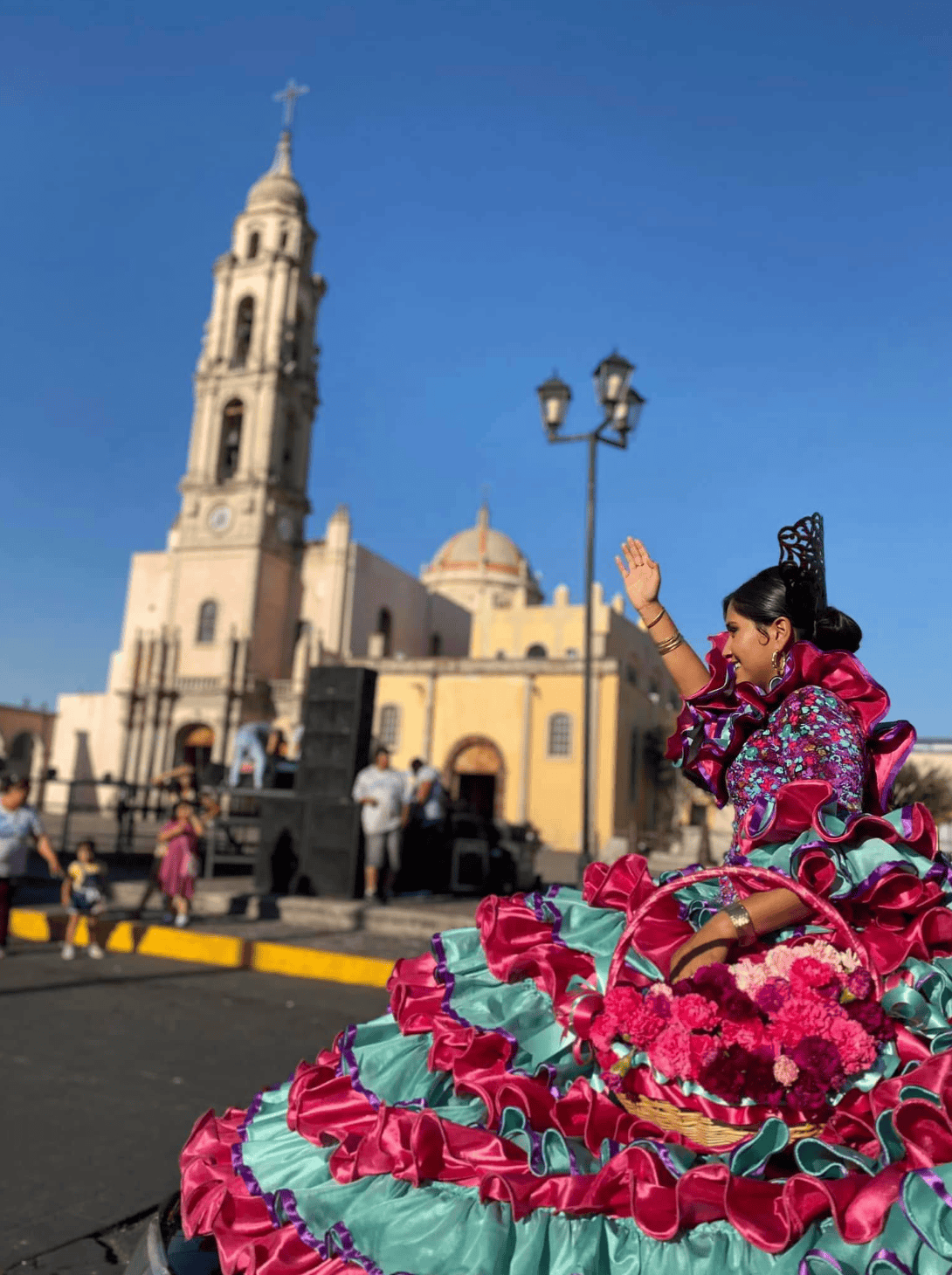
Tourism that originates from the communities
Beyond their attractions, the six Magical Towns share one fundamental element: their people. Artisans, traditional cooks, producers, service providers, guides, merchants, and entrepreneurs are the ones who make it possible for each visit to become an experience that connects with the identity of Guanajuato.
In this sense, and since the Magical Towns were established in 2001, tourism represents an opportunity to preserve heritage, strengthen local economies, and generate new possibilities for families who make their traditions a way of life.
That is why, in honor of National Magical Towns Day, the Secretariat of Tourism and Identity reaffirms its commitment to continue promoting experiences that reach more regions, strengthen community participation, and allow the benefits of tourism to be reflected in the local communities, as set out in the national Community Tourism strategy.
Because visiting a Magical Town is not just about knowing a destination: it’s about walking its streets, listening to its stories, tasting its flavors, learning about its crafts, and meeting the people who keep its identity alive. That is why, in accordance with the guidelines of UN Tourism, at the Government of the People we are working to strengthen technological and social tools to continue promoting tourism.
Guanajuato will take its community tourism strategy to a national gathering
Last August, the First Ordinary Session of the Guanajuato State Tourism Advisory Council for Magical Towns was held, where planning began for attending the First National Meeting of Magical Towns, in Tampico, Tamaulipas.
During the first session, it was explained that the Council met with the purpose of strengthening tourism planning, addressing the needs of destinations, and consolidating actions that contribute to sustainable development, all in accordance with the guidelines of the Guanajuato SUMA strategy, implemented by Governor Libia Dennise García Muñoz Ledo.
During the first session chaired by the Secretary of Tourism and Identity, María Guadalupe Robles León, the corresponding report on the plan to strengthen the Magical Towns was also presented, and concrete actions were identified to improve planning and responsiveness to the needs of these destinations, in coordination with municipal authorities and representatives of the sector.
The State Tourism Advisory Council for Magical Towns functions as a space for planning, advising, coordination, and citizen and interagency participation, with the aim of strengthening the six Magical Towns of Guanajuato.
It is worth noting that this Council is the first and only one of its kind at the national level, and its importance lies in its aim to attract more visitors and generate economic and social benefits for the communities, while preserving cultural identity and heritage.
This is how Guanajuato celebrates its six Magical Towns, with coordinated strategies and rooted in the history and identity that make us unique; from the ceramics of Dolores Hidalgo, the mining memory of Mineral de Pozos, the heritage of Jalpa de Cánovas, the traditions of Comonfort, the landscapes of Yuriria and the living history of Salvatierra.