

- At the 4th Ordinary Session of the Mexican Council of Social Tourism, five commitments were presented to expand access to tourism, strengthen alliances, and generate well-being in communities.
- The Government of the People hosts the First Mexican Social Tourism Forum, strengthening a vision of tourism that is inclusive, accessible, and sustainable.
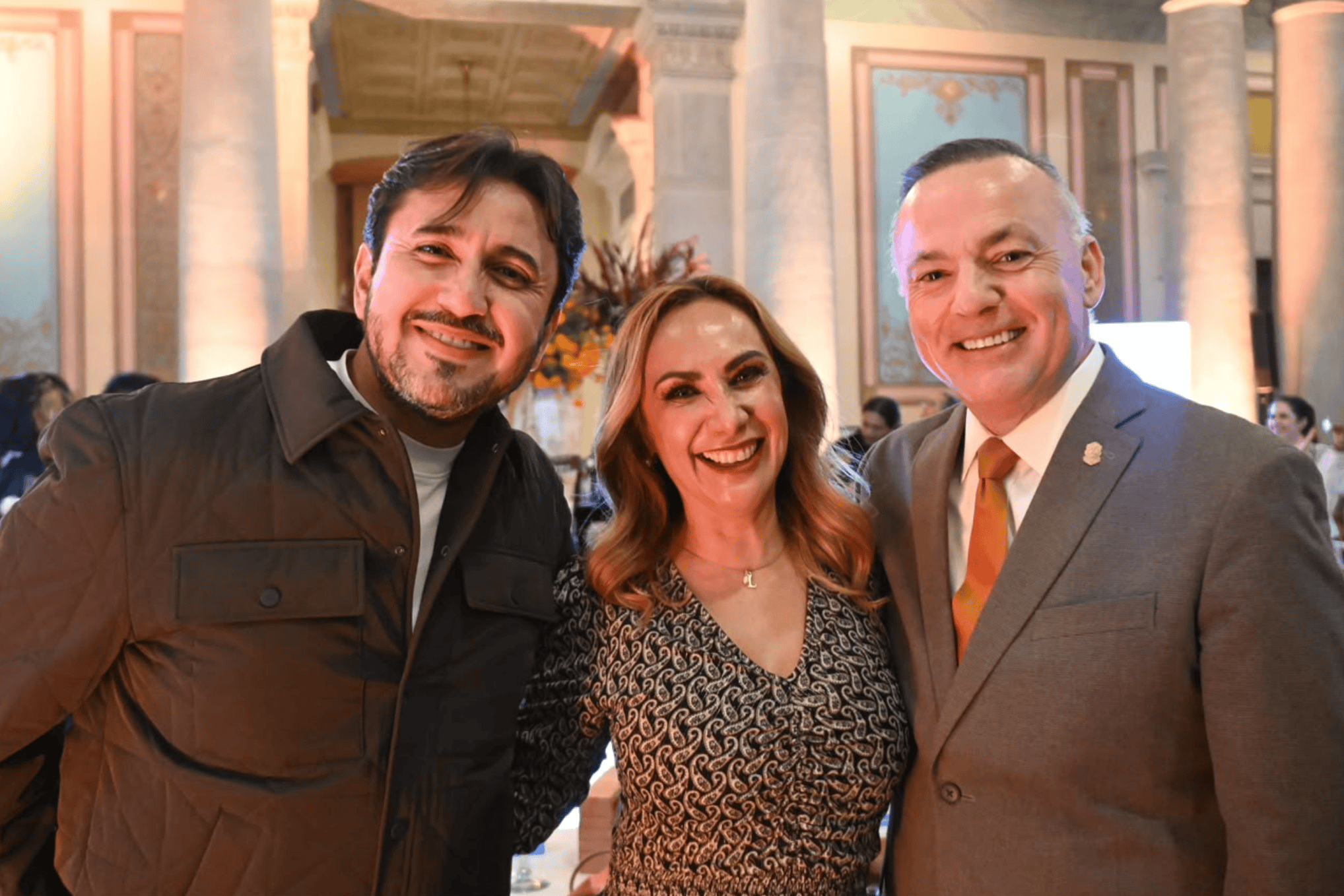
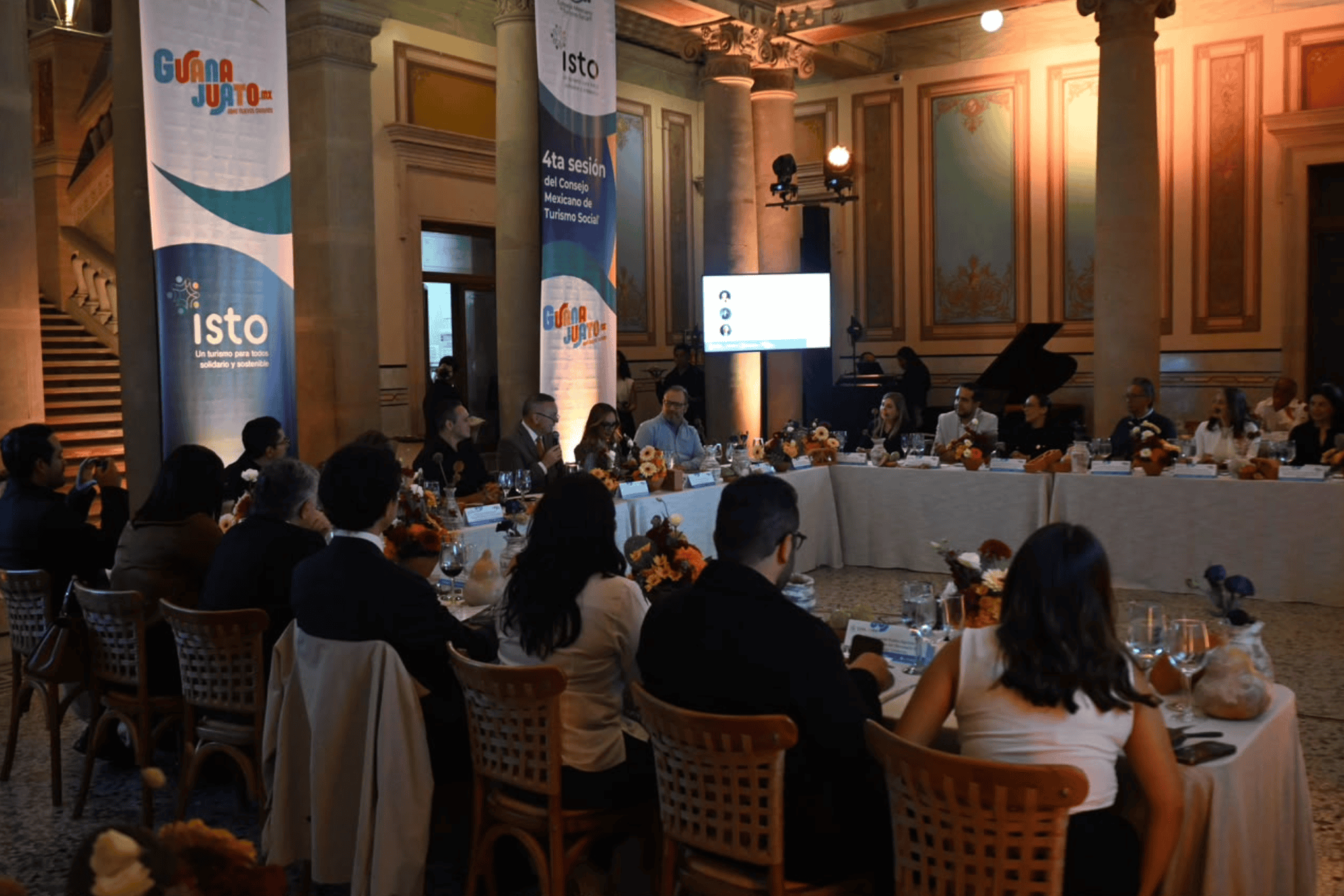
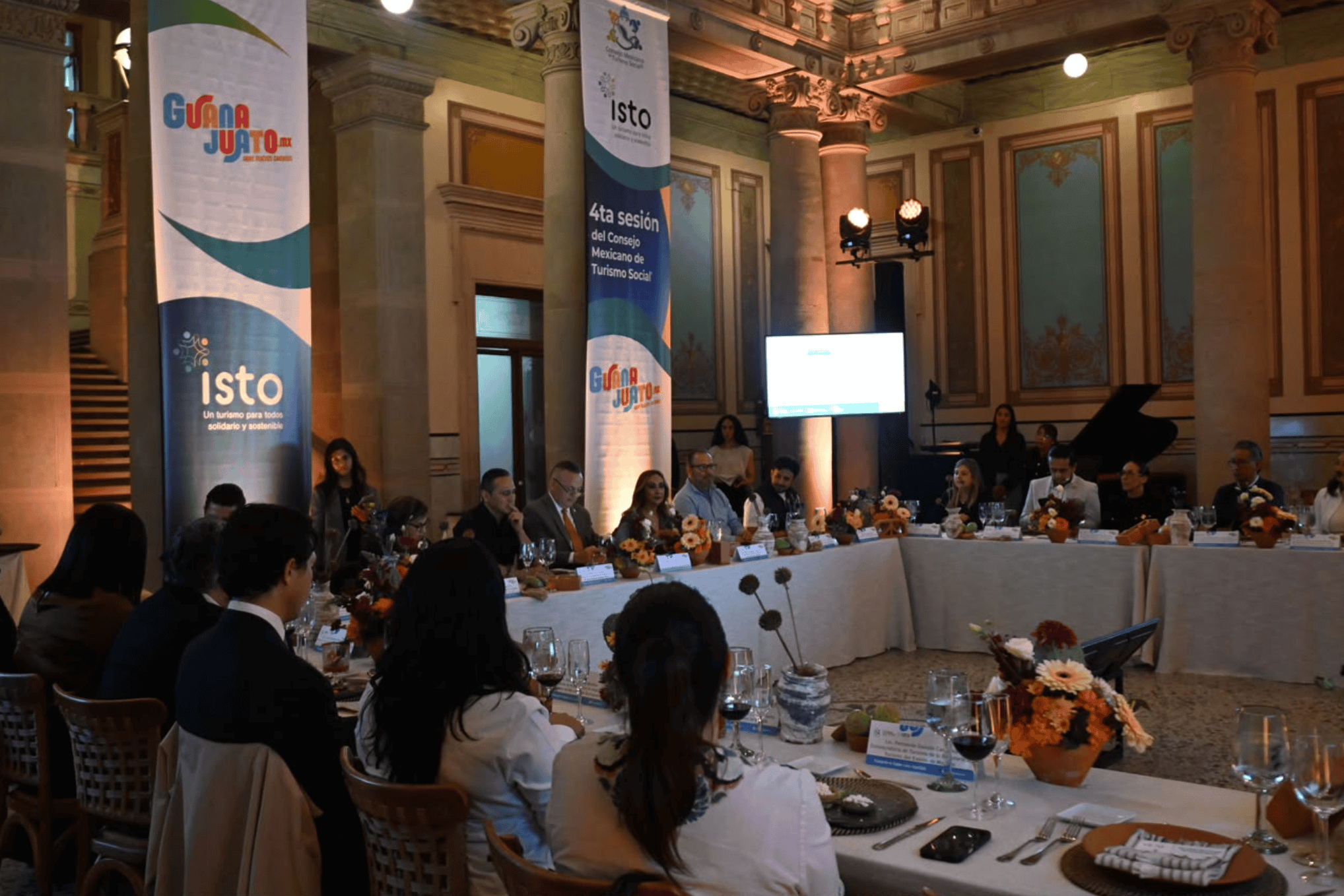
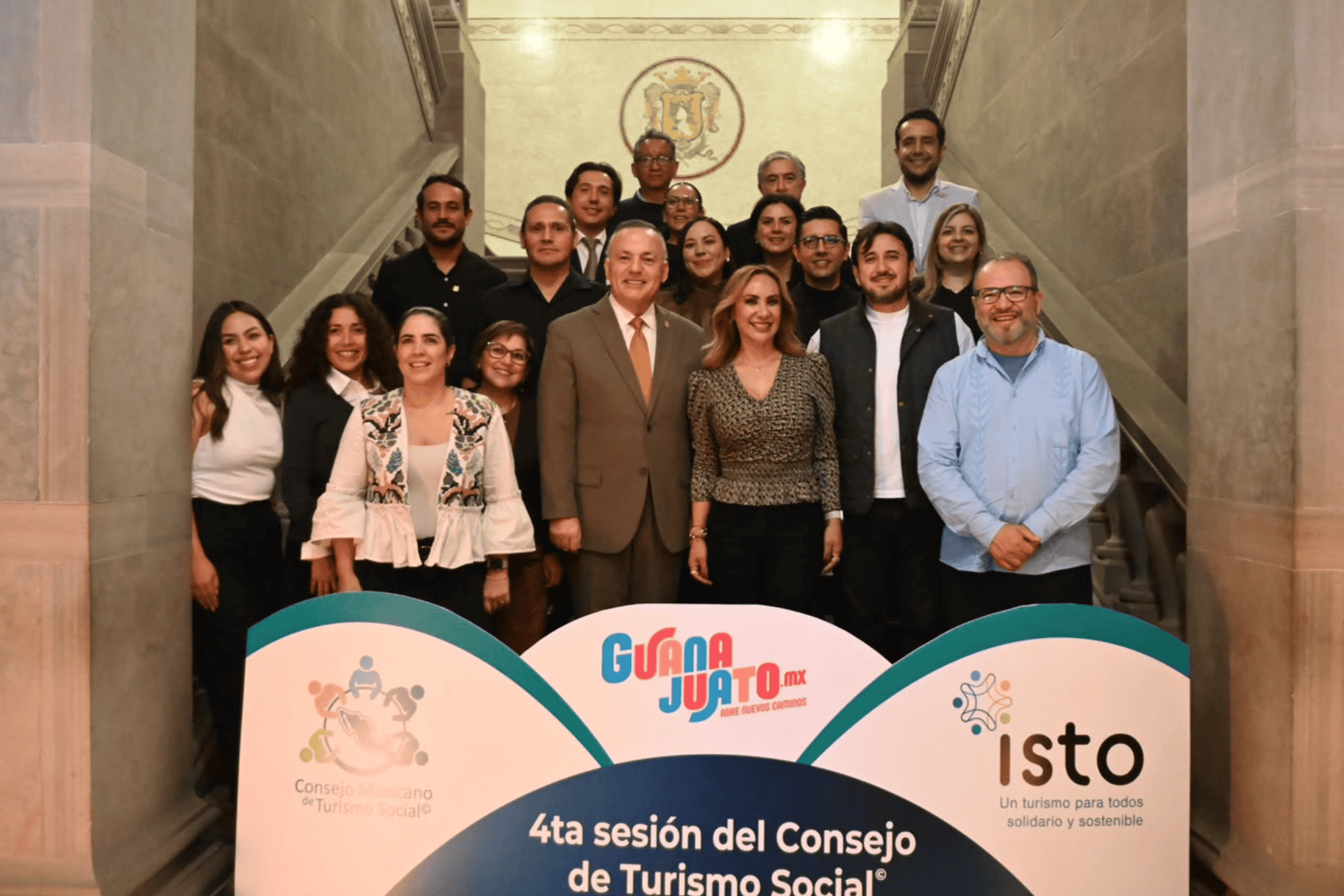
With an agenda focused on inclusion, equal opportunities, and the well-being of communities, Guanajuato hosted the Fourth Ordinary Session of the Mexican Council of Social Tourism, where five national commitments were presented to promote a tourism model that is more accessible, more participatory, and shares its benefits.
The meeting, held on the eve of the First Mexican Social Tourism Forum, brought together representatives from the tourism sector to strengthen a vision in which traveling, learning about heritage, and enjoying tourism experiences are opportunities within reach of more people, without economic, physical, or social conditions representing a barrier.
Under the vision of Governor Libia Dennise García Muñoz Ledo, the Government of the People promotes tourism that puts people at the center of its policies, with actions aimed at generating economic development, strengthening identity, and expanding opportunities for communities.
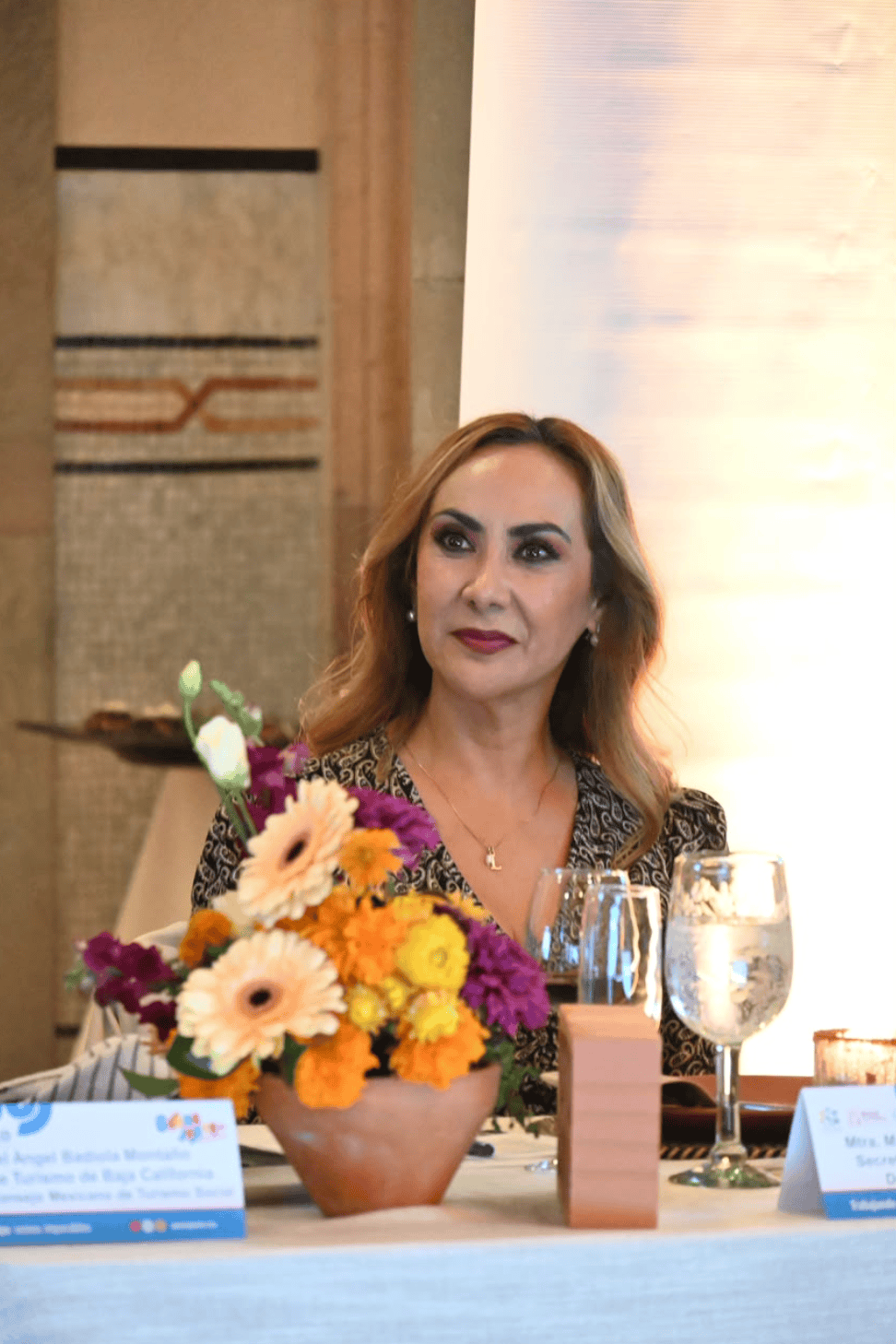
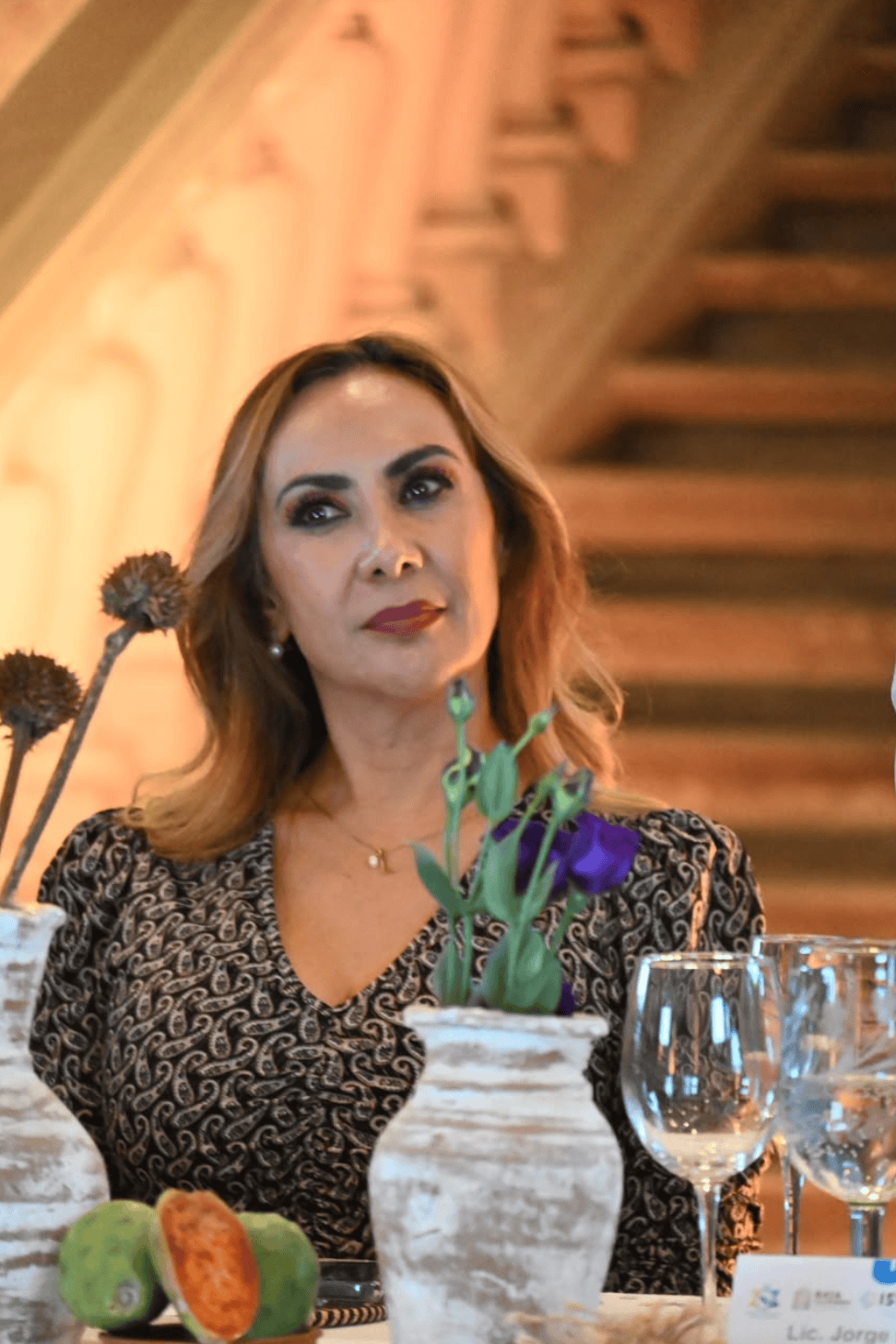
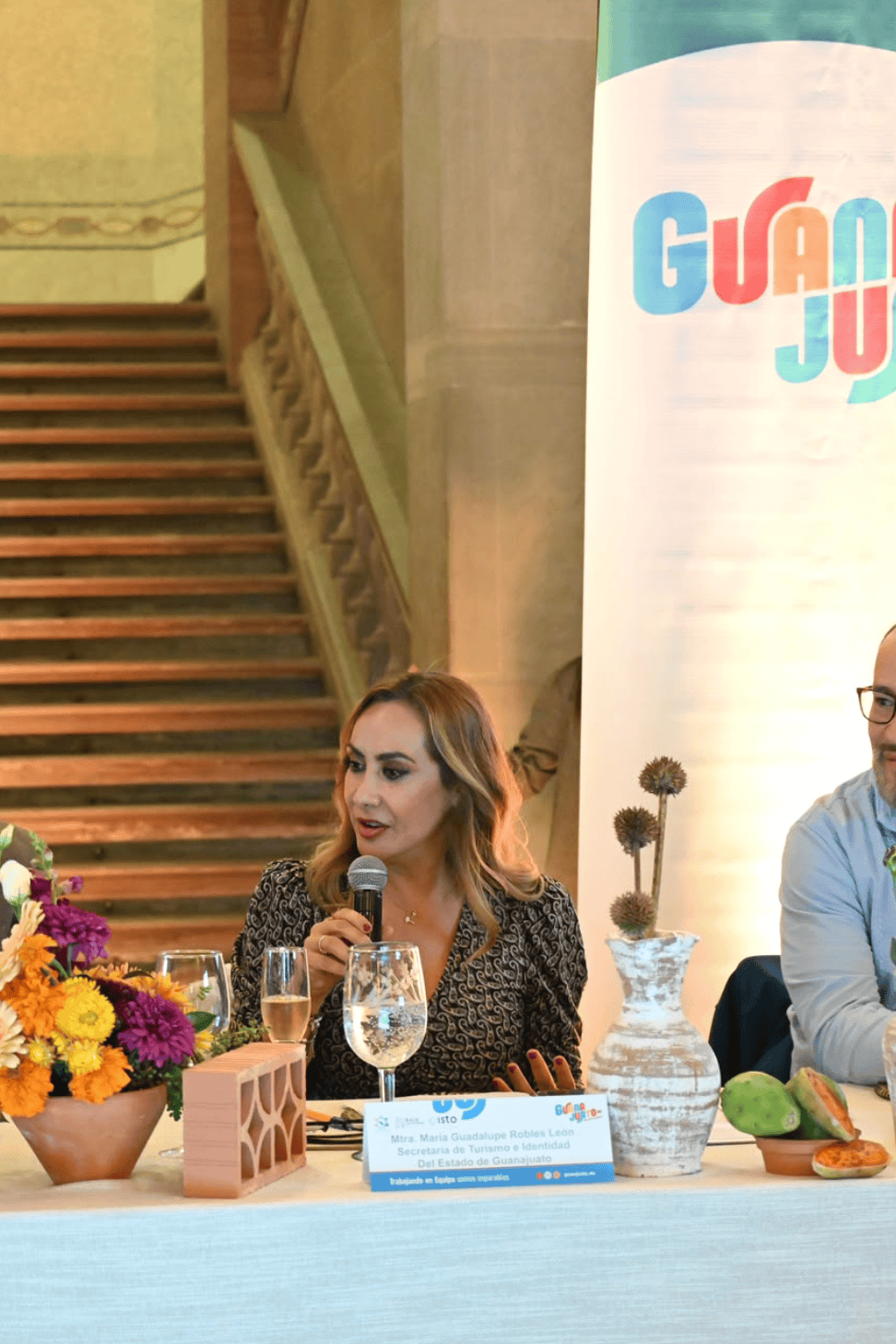
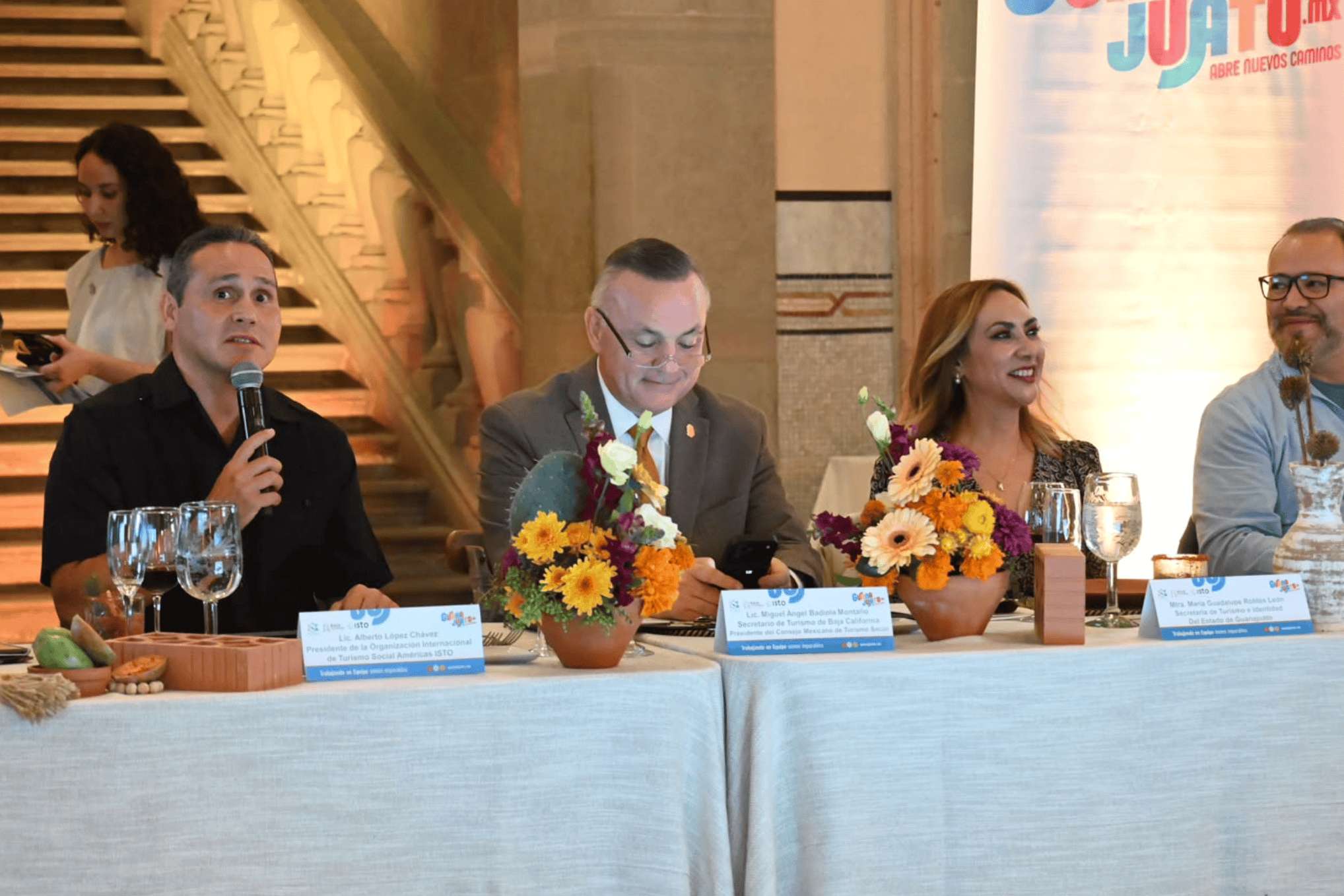
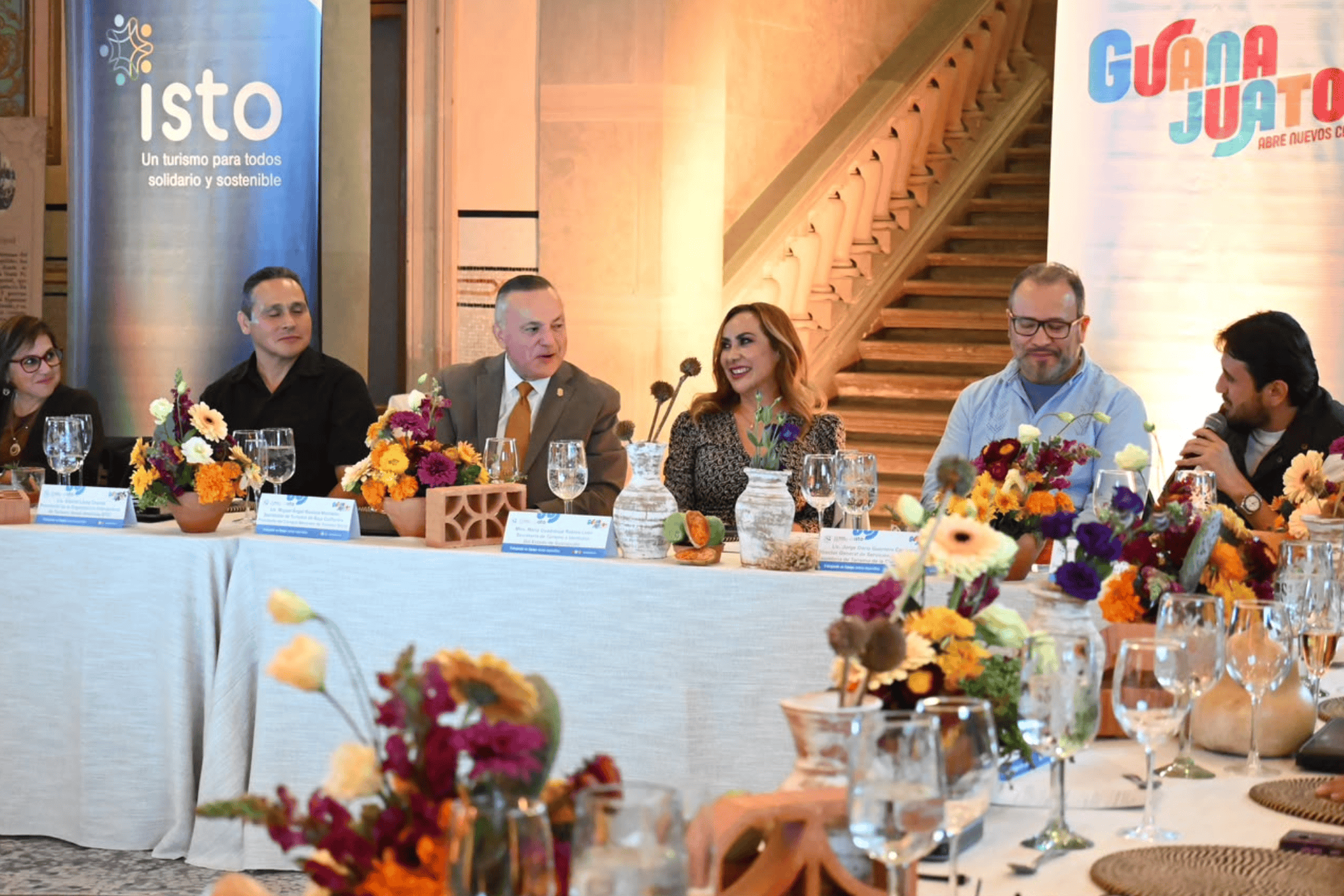
During the session, María Guadalupe Robles León, Secretary of Tourism and Identity and Vice President of the Mexican Council of Social Tourism, emphasized that this activity must transcend its economic dimension to become a tool for inclusion, community participation, and social well-being.
“For us, Social Tourism represents much more than just traveling. It means recognizing that all people should have the opportunity to learn about, enjoy, and connect with our heritage, without economic, physical, or social conditions being a barrier,” she said.
During the session, the five commitments to promote Social Tourism in Mexico were presented, with a view to the end of 2026, which set out lines of work to strengthen the participation of institutions, businesses, academia, and civil society. They are:
- Expanding access to tourism. Reducing barriers and creating opportunities for more people to enjoy tourism experiences and services.
- Strengthening capacities and sharing what works. Promoting the exchange of knowledge, experiences and good practices that contribute to the development of Social Tourism.
- Connecting stakeholders and building partnerships. Promoting collaboration among the public, private, academic, and social sectors to strengthen joint actions.
- Generating well-being for people and communities. Promoting the spread of tourism’s benefits to both travelers and the communities that host visitors.
- Measuring to learn, improve and advance. Evaluating results, identifying areas of opportunity and strengthening decision-making to improve Social Tourism policies and strategies.
These commitments set out a working path that recognizes tourism as an activity capable of reducing inequalities, promoting social integration and contributing to the development of territories through collaboration and the responsible use of their cultural, natural and community resources.
In Guanajuato, this vision is reflected in the tourism regionalization strategy, which divides the state into seven regions to guide promotion, development, and tourism intelligence efforts in a more balanced way and expand the opportunities for its municipalities to participate.
Likewise, the push for Community Tourism helps strengthen local capacities, preserve traditional knowledge, and promote the participation of traditional cooks, artisans, tour guides, entrepreneurs, and service providers in the sector’s value chain.
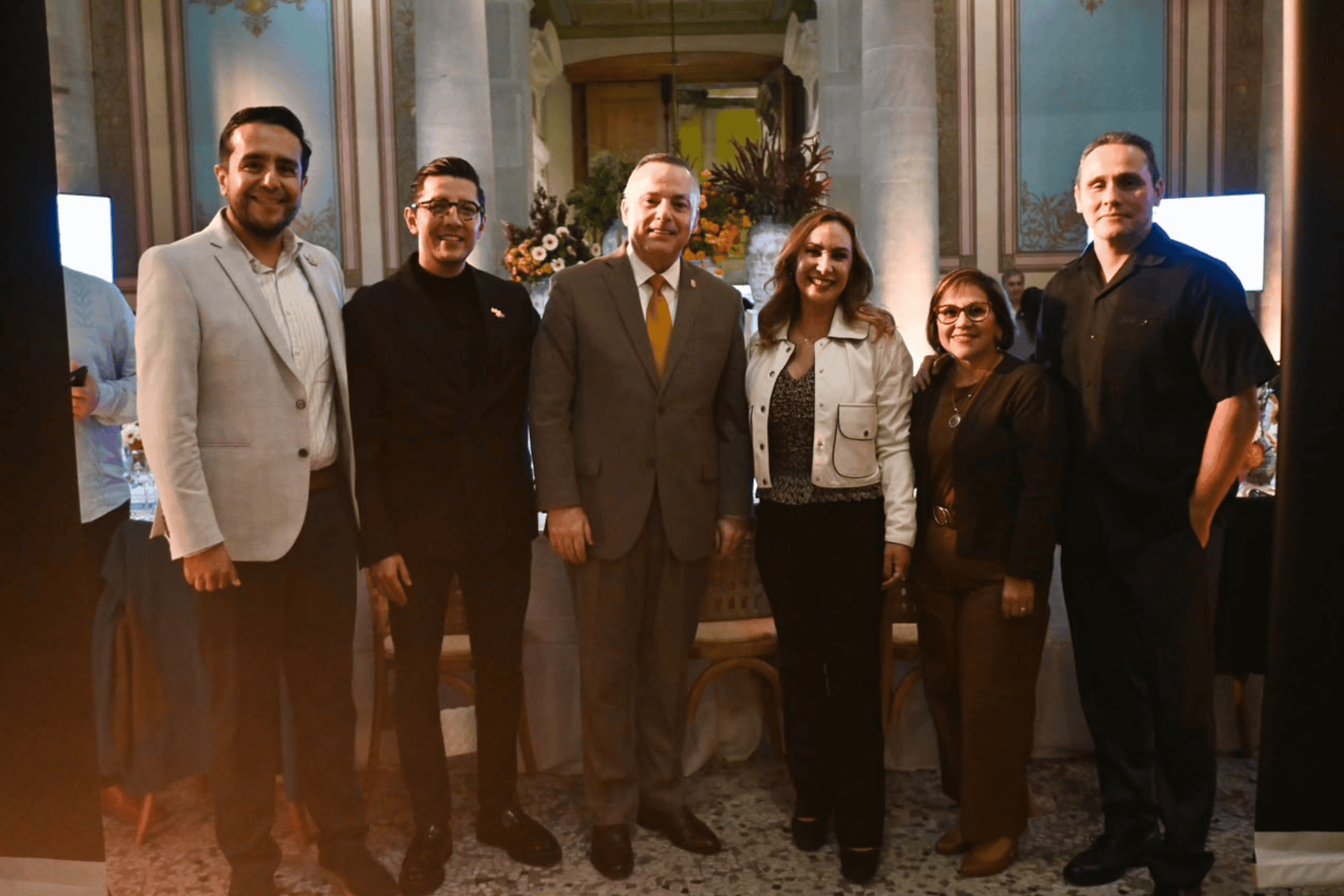
The session was attended by Miguel Ángel Badiola Montaño, Secretary of Tourism of Baja California and President of the Mexican Council of Social Tourism; Alberto López Chaves, President of ISTO Americas; Verónica Gómez Aguirre, Technical Secretary of the Council and Director of ISTO Americas; as well as representatives of the participating entities and institutions.
As Vice President of the Council, Robles León reiterated Guanajuato’s commitment to support the actions promoted by this organization to strengthen tourism that is more fair, sustainable, and inclusive.
The presentation of these five commitments preceded a historic meeting for national tourism: The First Mexican Social Tourism Forum held on October 15, with the participation of institutions, companies, and civil society to exchange experiences, good practices, and proposals that contribute to expanding the benefits of tourism.
With this agenda, Guanajuato contributes to building a tourism model that recognizes people’s right to enjoy cultural and natural heritage, promotes the participation of host communities, and seeks to ensure that the sector’s growth generates shared well-being.
The Government of the People opens new paths for tourism to be an opportunity for development, inclusion, and economic improvement for all.