


The SECTURI participated in the works of the LXVI Legislature to strengthen the protection of biodiversity from a sustainable development perspective.
With the aim of strengthening the state's environmental legal framework and from the vision of the “Government of the People,” the Secretariat of Tourism and Identity (SECTURI) presented the "Tourism Sustainability Model 2026" during the Environment Commission of the LXVI Legislature of the Congress of the State of Guanajuato, for the integration of the future Law of Biodiversity of the State of Guanajuato and its municipalities.
During the working meeting that brought together specialists, academics, and representatives from various state agencies, technical opinions and experiences were shared that will contribute to the development of the foundational document that will support the legislative initiative.
As part of the activities, Master David Ayala Saucedo, Undersecretary of Tourism Identity and Development of SECTURI, representing the Secretary of Tourism and Identity, María Guadalupe Robles León, presented the paper “Tourism Sustainability Model 2026,” in which he highlighted the importance of promoting a tourism development model that balances economic growth, social well-being, and environmental conservation.
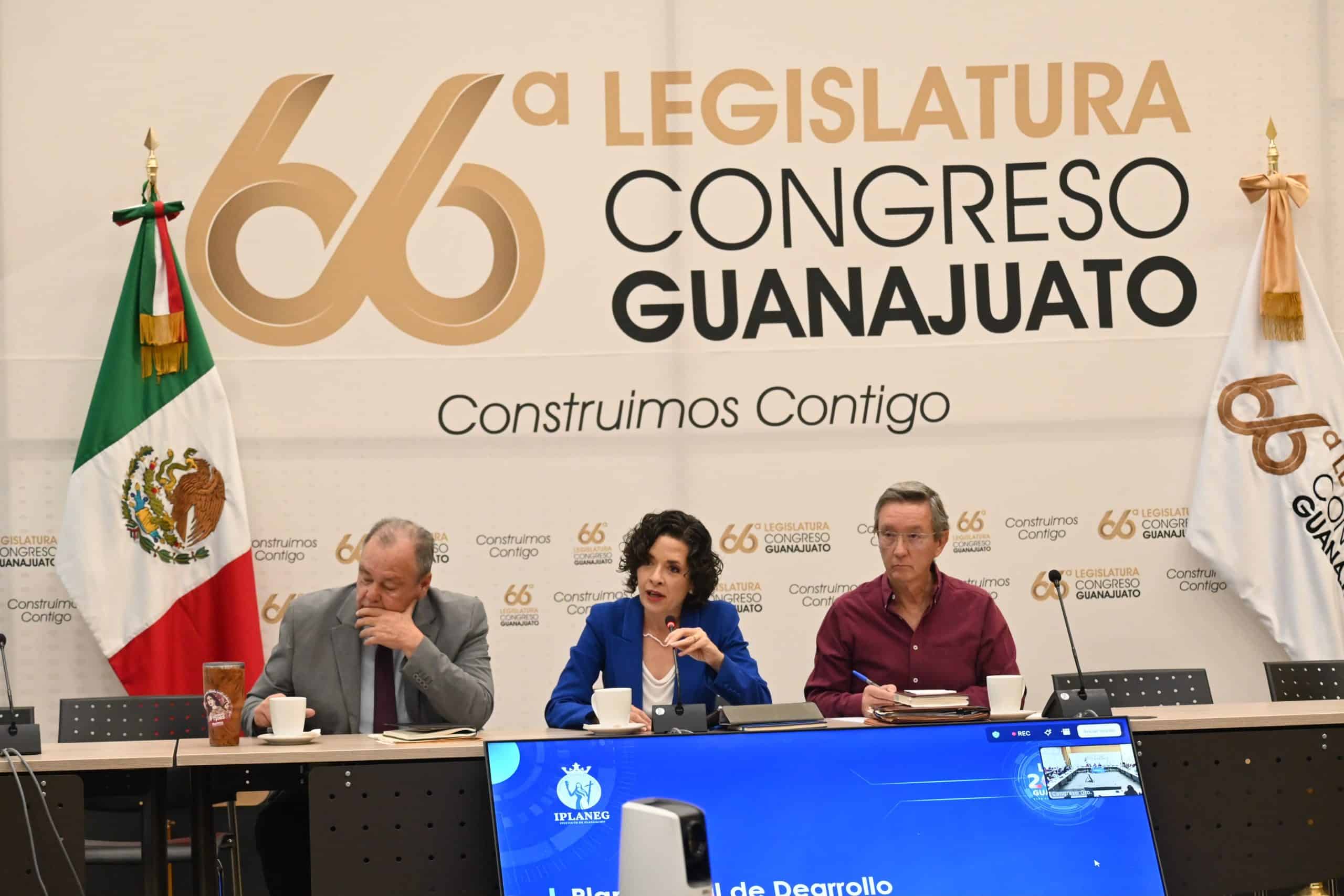
During his presentation, the Undersecretary presented a comprehensive model to drive the sustainable transformation of tourism in Guanajuato, designed to articulate governance, territorial stakeholders, and international criteria to strengthen the competitiveness of destinations, the conservation of natural and cultural heritage, and social inclusion.
The presentation explained that the model uses international standards in sustainable tourism as a reference, including the Global Destination Sustainability Index (GDS) and the International Social Tourism Organization (ISTO), in addition to aligning with five United Nations Sustainable Development Goals (SDGs): Decent Work and Economic Growth (SDG 8), Sustainable Cities and Communities (SDG 11), Responsible Consumption and Production (SDG 12), Peace, Justice, and Strong Institutions (SDG 16), and Partnerships for the Goals (SDG 17). This approach will allow for the standardization of evaluation, monitoring, and performance criteria to strengthen sustainable tourism management in destinations.
Likewise, the general architecture of the model was explained. It is comprised of guiding principles, eight strategic components, key subcomponents, core functions, operational instruments, indicators, and a monitoring system oriented towards continuous improvement. This structure seeks to ensure the traceability of actions and the measurement of results at each territorial level.
The eight strategic components presented were: governance and institutional coordination; competitiveness and local economy; social sustainability and inclusion; cultural heritage and territorial identity; environmental management of the destination; tourist safety and risk management; information, monitoring, and tourism intelligence; and capacity building and technical support.
Through these components, the model seeks to strengthen municipalities' capacities to implement sustainable strategies, incorporate certification mechanisms and technical support, as well as promote actions aimed at tourism businesses, entrepreneurs, and bearers of gastronomic heritage, including traditional cuisines, contributing to more responsible, competitive, and sustainable tourism management.
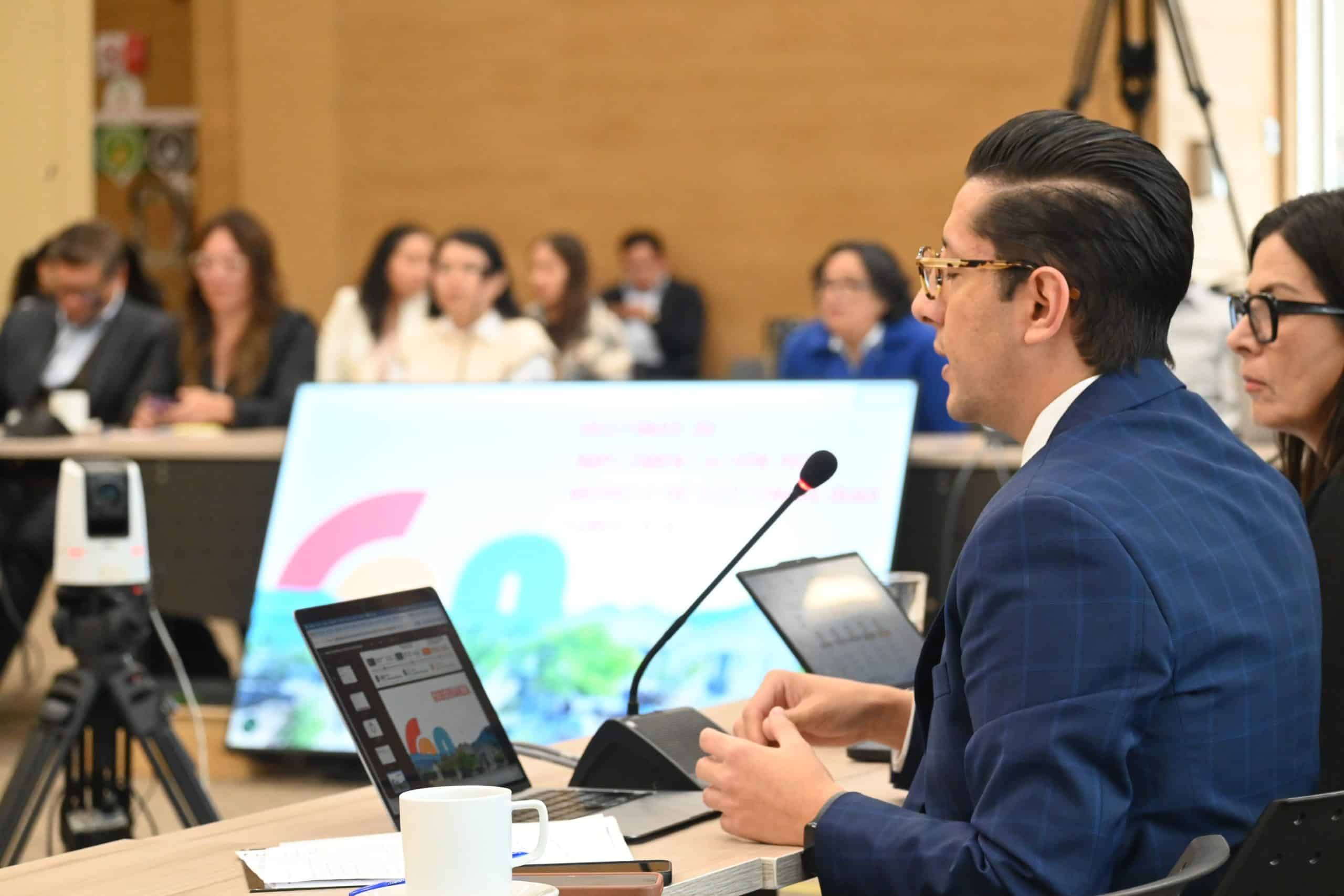
During his participation, the Undersecretary also presented the general architecture of a sustainable tourism management model that allows for monitoring and traceability of the impacts of tourism projects through measurable indicators and continuous evaluation mechanisms.
This approach considers sustainability from three fundamental dimensions: social, economic, and environmental, promoting tourist development that generates benefits for communities, strengthens local economies, and contributes to the conservation of natural heritage.
Following SECTURI's participation, the President of the Environment Commission, Deputy María Isabel Ortiz Mantilla, thanked the Secretariat of Tourism and Identity for its intervention, while at the same time reaffirming the relevance of collaborative work. SECTURI's involvement in these efforts underscores the "Government of the People's" commitment to building cross-cutting public policies that integrate biodiversity protection, responsible natural resource management, and sustainable tourism development as pillars for the well-being of Guanajuato families.
The approval of this initiative would place Guanajuato among the pioneering entities in the country to have a specific legal framework for biodiversity, strengthening the tools for the conservation of ecosystems and the responsible use of natural heritage.
With actions like these, the administration led by the Governor of the People, Libia Dennise García Muñoz Ledo, promotes a vision of development that fosters balance between economic growth, social well-being, and environmental protection, consolidating Guanajuato as a benchmark in sustainability and environmental responsibility.